>
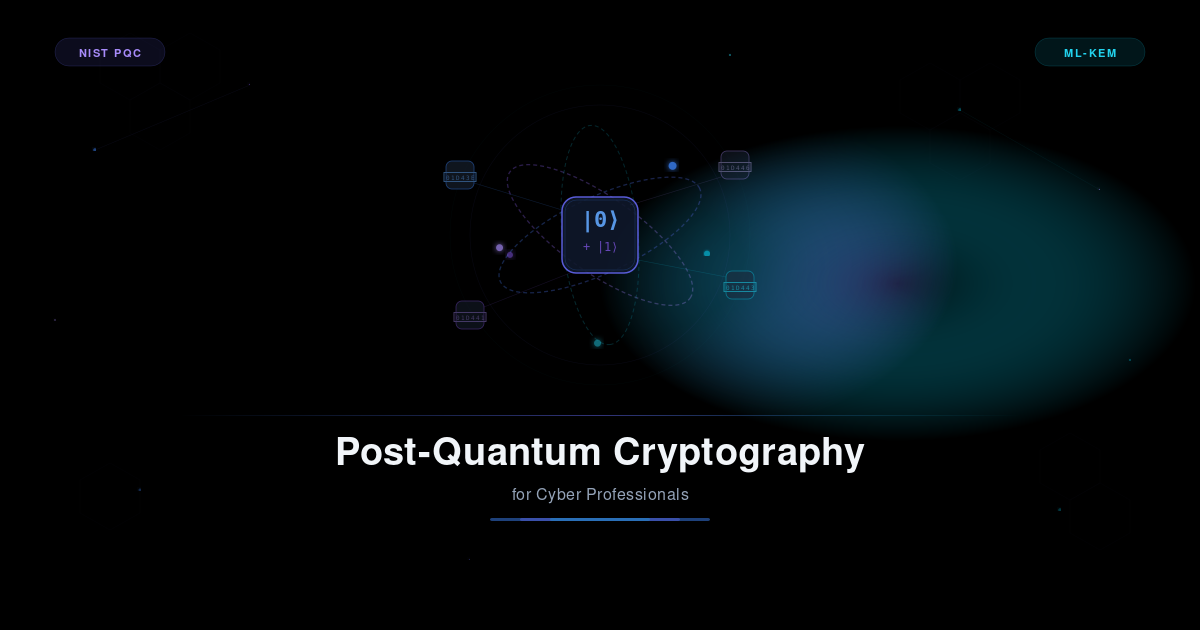
Read more about the article Post-Quantum Cryptography for Cyber Professionals
Post-Quantum Cryptography for Cyber Professionals

Post-Quantum Cryptography for Cyber Professionals

Post-quantum cryptography is no longer a research-only topic. With NIST's first PQC standards finalized and organizations facing long-term risks such as harvest-now, decrypt-later, cyber teams need to understand how PQC affects PKI, TLS, code signing, firmware trust, crypto agility, and migration planning. This guide explains what PQC is, where QKD fits, how hybrid deployments work, and what defenders should prioritize first.

Continue ReadingPost-Quantum Cryptography for Cyber Professionals
Read more about the article Phishing Evolution: From Email Scams to AI-Powered Attacks
Phishing Evolution: From Email Scams to AI-Powered Attacks

Phishing Evolution: From Email Scams to AI-Powered Attacks

Trace the evolution of phishing attacks from crude 1990s email scams to AI-powered deepfake campaigns. Discover how attackers leverage machine learning and automation to create convincing social engineering attacks.

Continue ReadingPhishing Evolution: From Email Scams to AI-Powered Attacks

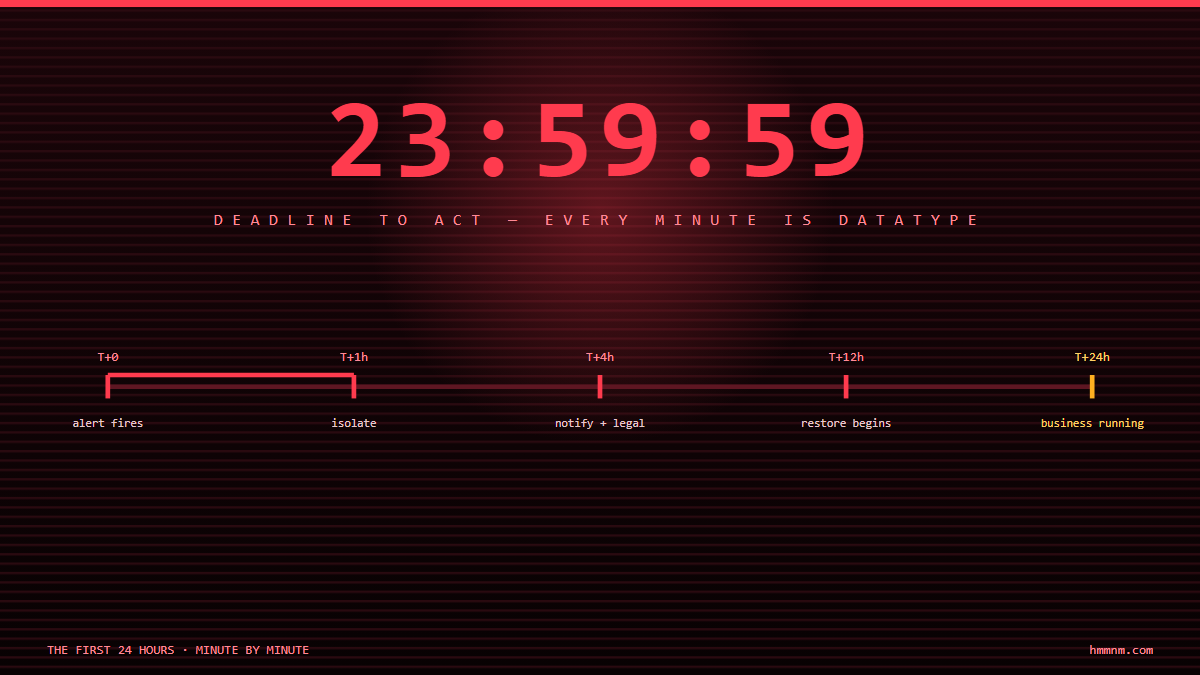
The First 24 Hours of a Ransomware Attack: Survival Playbook

Change Healthcare lost the claims pipeline of a nation in hours. This minute-by-minute playbook covers hour zero containment, the command structure by hour four, backup verification, pay/no-pay, regulatory clocks — and the non-technical decisions that decide survival.

Continue ReadingThe First 24 Hours of a Ransomware Attack: Survival Playbook

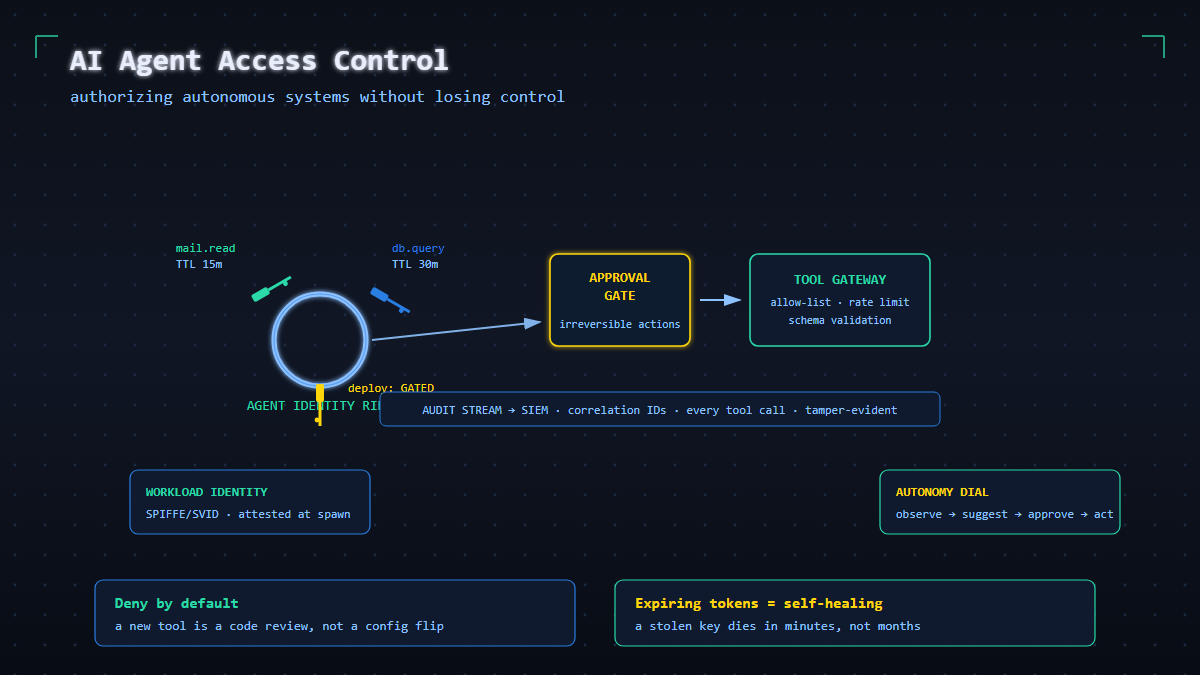
Zero Trust Architecture for AI Systems: Implementation Guide

Zero Trust for AI systems requires rethinking identity, data flows, and access control. Learn the five pillars of AI Zero Trust — identity verification, input validation, least privilege, monitoring, and encryption — with practical architecture patterns and implementation roadmap.

Continue ReadingZero Trust Architecture for AI Systems: Implementation Guide
>