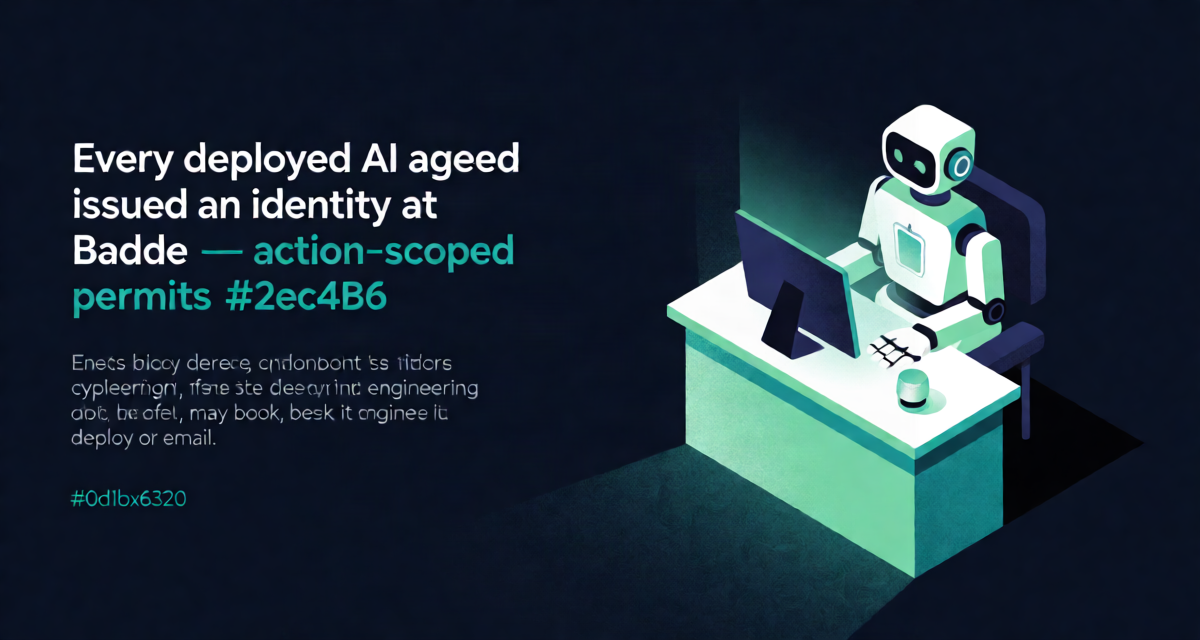
AI Agent Access Control for Autonomous Systems
A practical blueprint for AI agent authorization: task-scoped credentials, tool allow-lists, approval gates, workload identity, and full audit trails - mapped to OWASP and NIST.

A practical blueprint for AI agent authorization: task-scoped credentials, tool allow-lists, approval gates, workload identity, and full audit trails - mapped to OWASP and NIST.
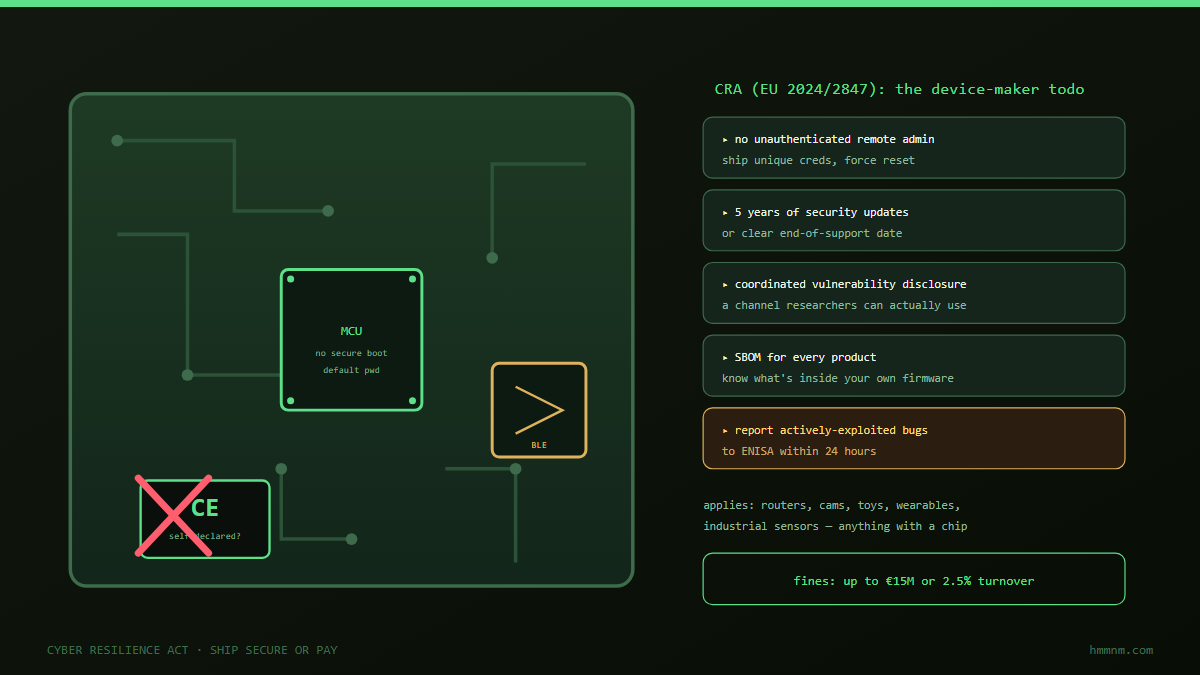
From 2027 connected products without CRA-backed security lose the CE mark and the EU market. EN 303 645 already draws the floor: no default passwords, disclosure policy, update transparency. The real work is turning security into a documented lifecycle — threat models, SBOMs, tested updates — instead of a checkbox before the ceremony.
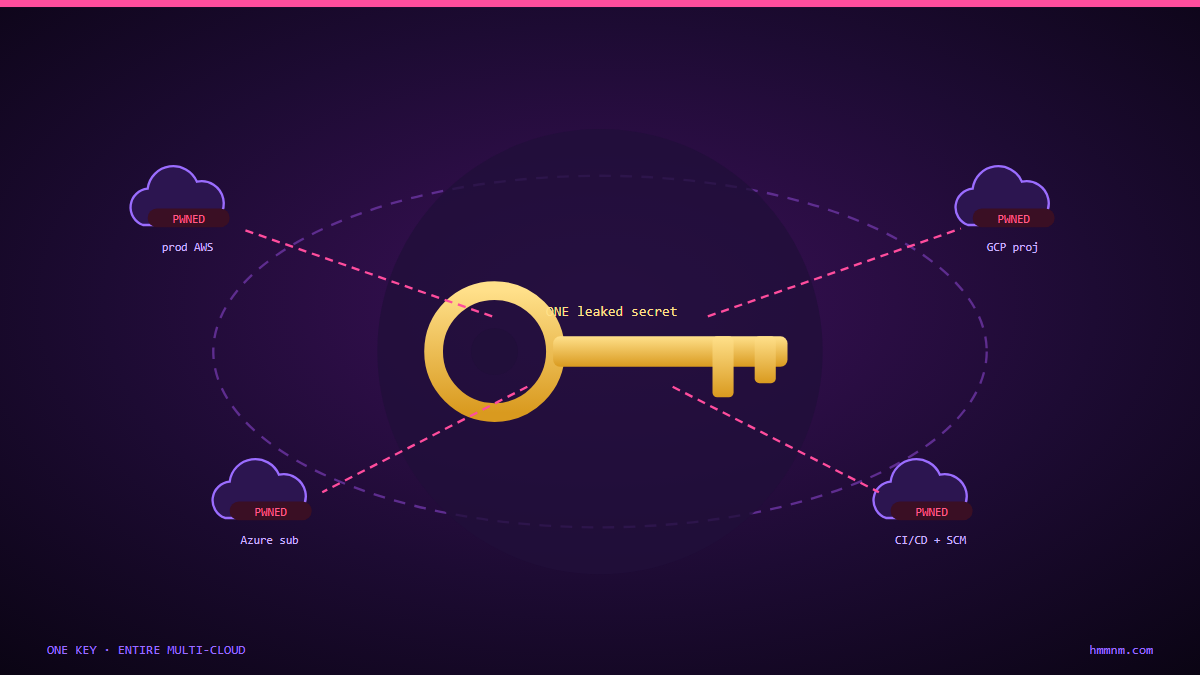
Toyota left one access key on GitHub for five years. This is the full chain: where cloud secrets leak, how attackers turn a found key into root, and the architecture that survives a leak they cannot prevent.
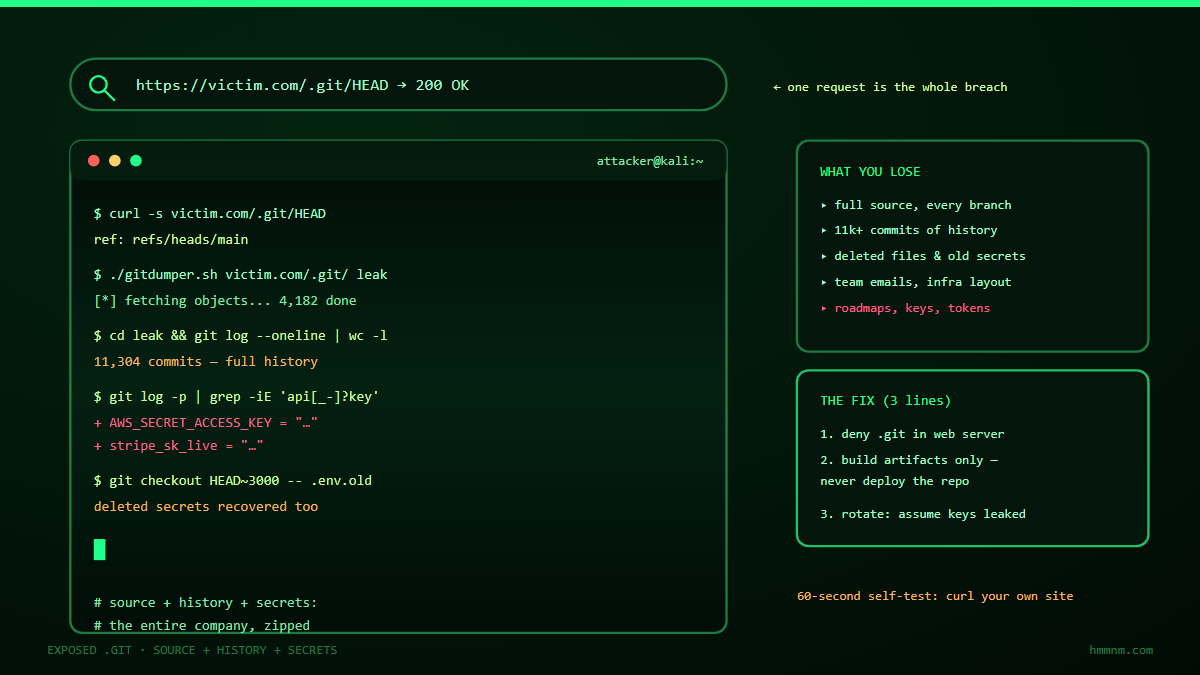
One curl request to /.git/HEAD hands attackers your full source, every commit ever made, deleted files, and usually a working credential. A decade of research says this mistake is not aging out. Here is the exploit chain — and the three-layer fix.
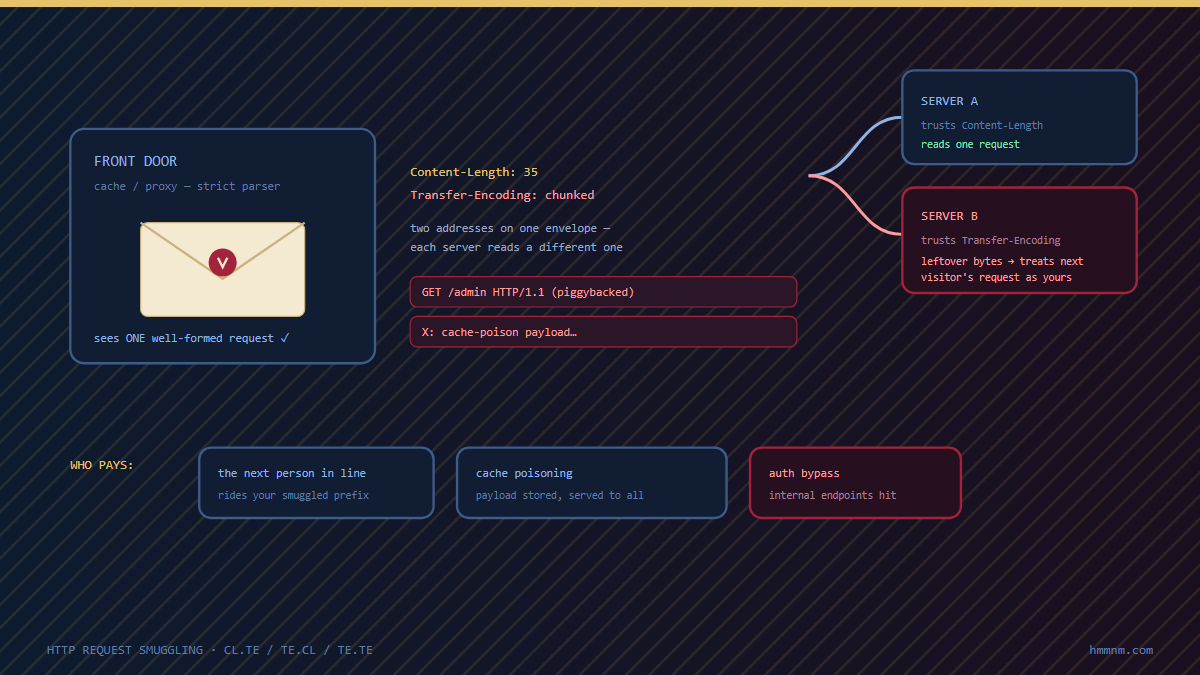
Your front end and your back end disagree about where one request ends and the next begins. The smuggled prefix slides under the WAF, defeats the rate limiter, and poisons the cache under someone else else URL. How CL-TE and TE-CL desyncs work, and the configuration discipline that closes them.

Discover CAI (Cybersecurity AI Framework), the open-source toolkit revolutionizing bug bounties and CTF competitions with autonomous AI agents.
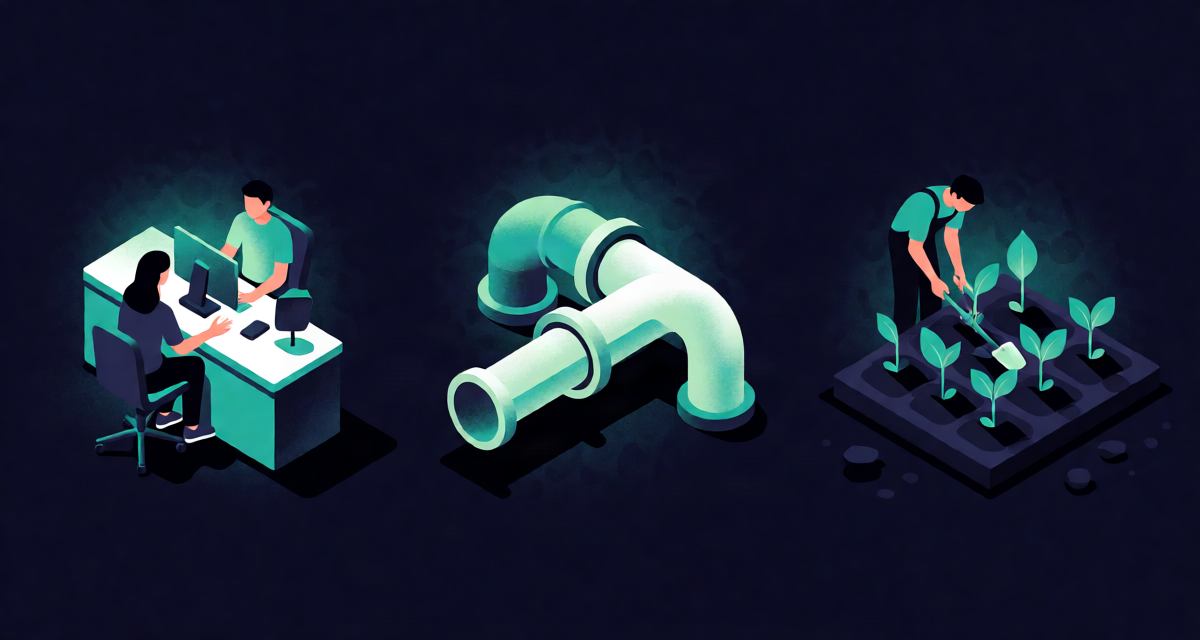
The current era: social engineering teenage crews beating billion-dollar defenses, extortion without encryption, a single company’s collapse freezing America’s pharmacies — and the closest the internet has ever come to a supply-chain catastrophe.
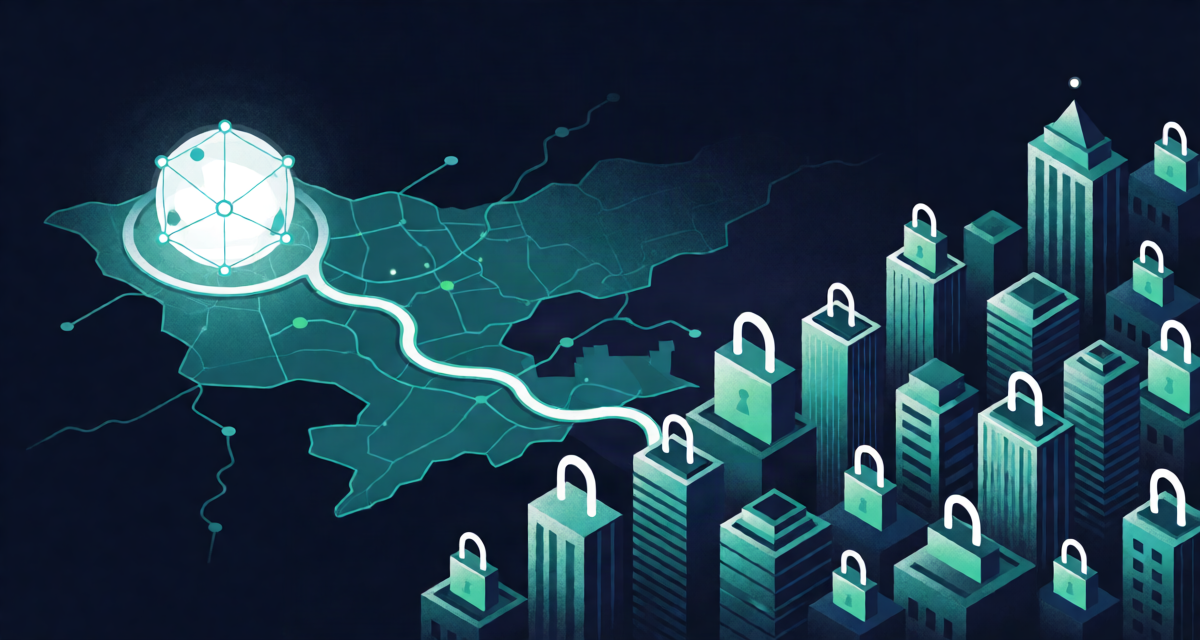
The era attackers learned to poison the supply chain itself: a backdoor inside the software updates of 18,000 organizations, and ransomware crews bold enough to shut down a country’s fuel pipeline and its meat supply.
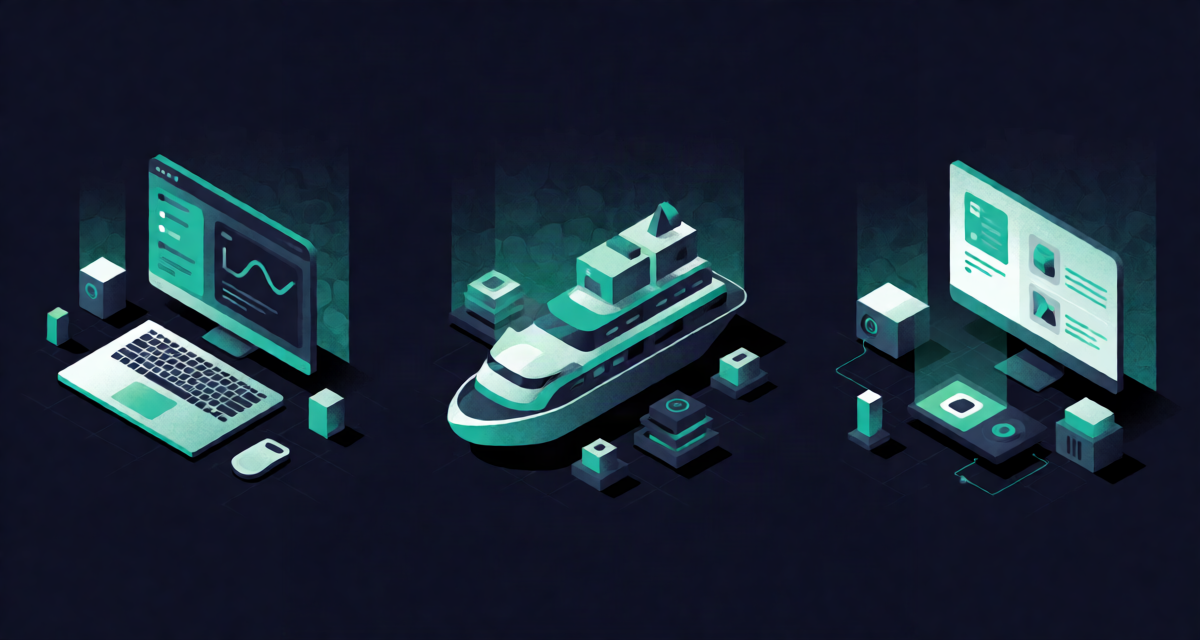
The most destructive years in internet history: nation-state ransomware, the $10B NotPetya wipeout and the IoT botnet that broke the US internet.
The era the hypothetical became real: the first cyber weapon that destroyed physical machinery, the first state attack on a corporation over a movie, the collapse of the web’s trust system, and the biggest espionage haul in US history.
The decade the Internet became the world’s infrastructure — and its crime economy. Email worms, the first APTs, the first nation-state DDoS war, and the biggest credit-card heists the world had ever seen.
Before the web, before firewalls, before cybersecurity was a word — the two incidents that created the industry: the Morris Worm and the world’s most wanted hacker.