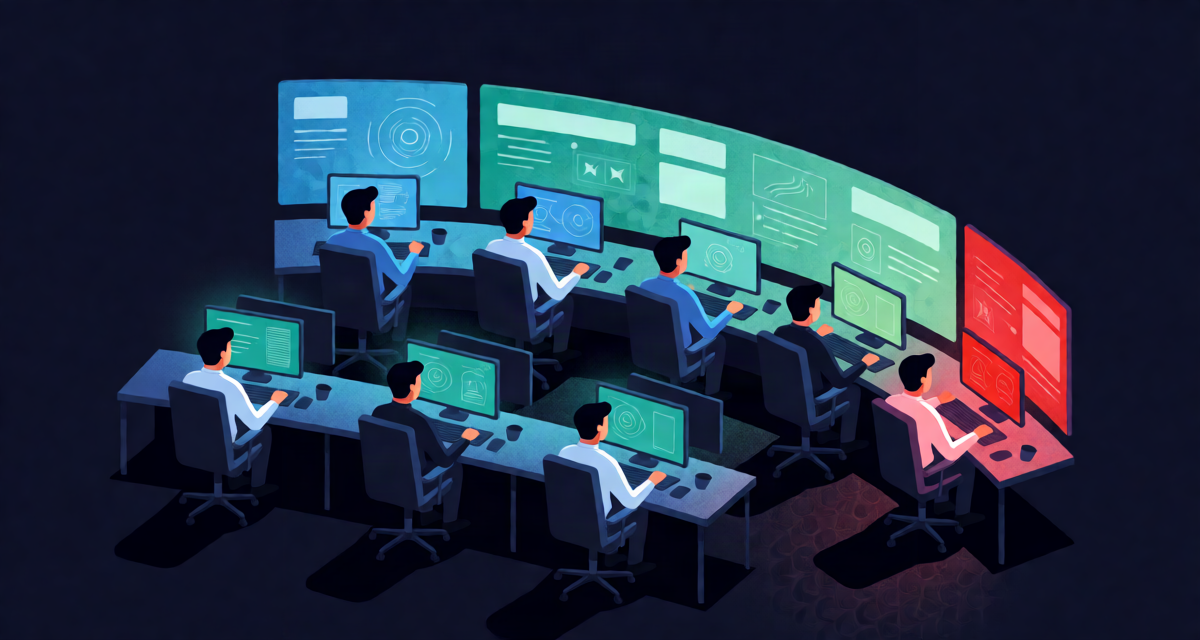
Securing AI Agents in the Enterprise SOC
How AI agents transform enterprise SOC operations — autonomous triage, incident response, threat hunting, and compliance automation.

How AI agents transform enterprise SOC operations — autonomous triage, incident response, threat hunting, and compliance automation.
How AI models get stolen through extraction and distillation attacks. Explore techniques, defenses, and real-world ML security case studies.

Master the three-layer model for AI agent identity: cryptographic identity, capability permissions, and runtime least privilege for autonomous AI systems.
A deep dive into securing AI agent supply chains — MCP server vetting, dependency integrity, sandboxing, and trust anchors for AI infrastructure.
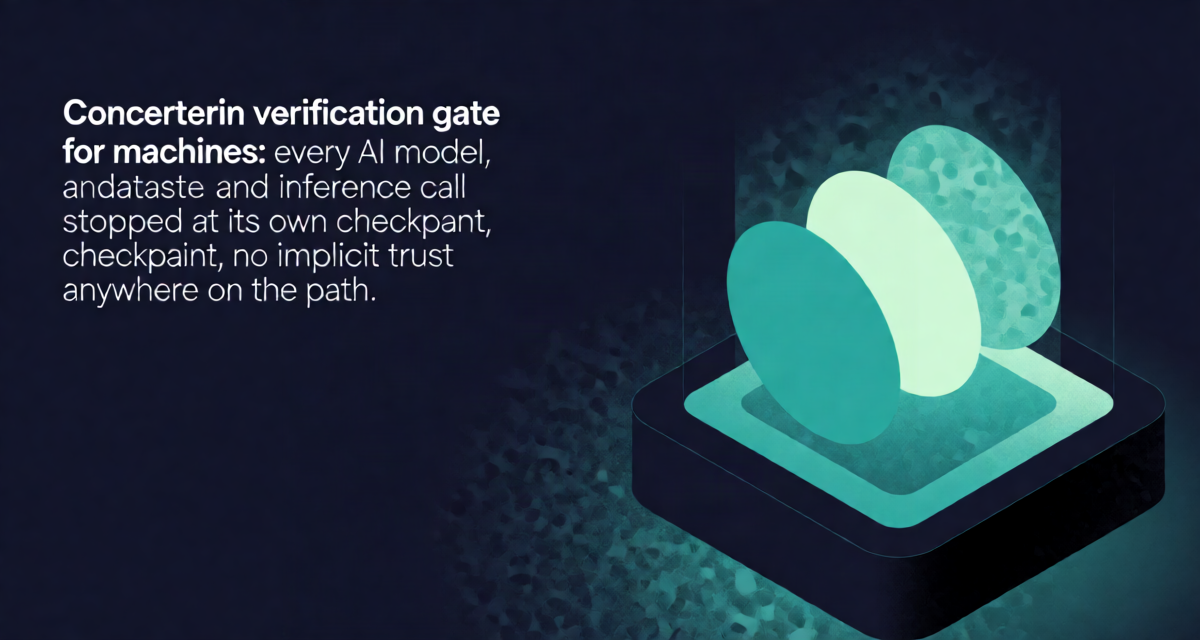
Zero Trust for AI systems requires rethinking identity, data flows, and access control. Learn the five pillars of AI Zero Trust — identity verification, input validation, least privilege, monitoring, and encryption — with practical architecture patterns and implementation roadmap.
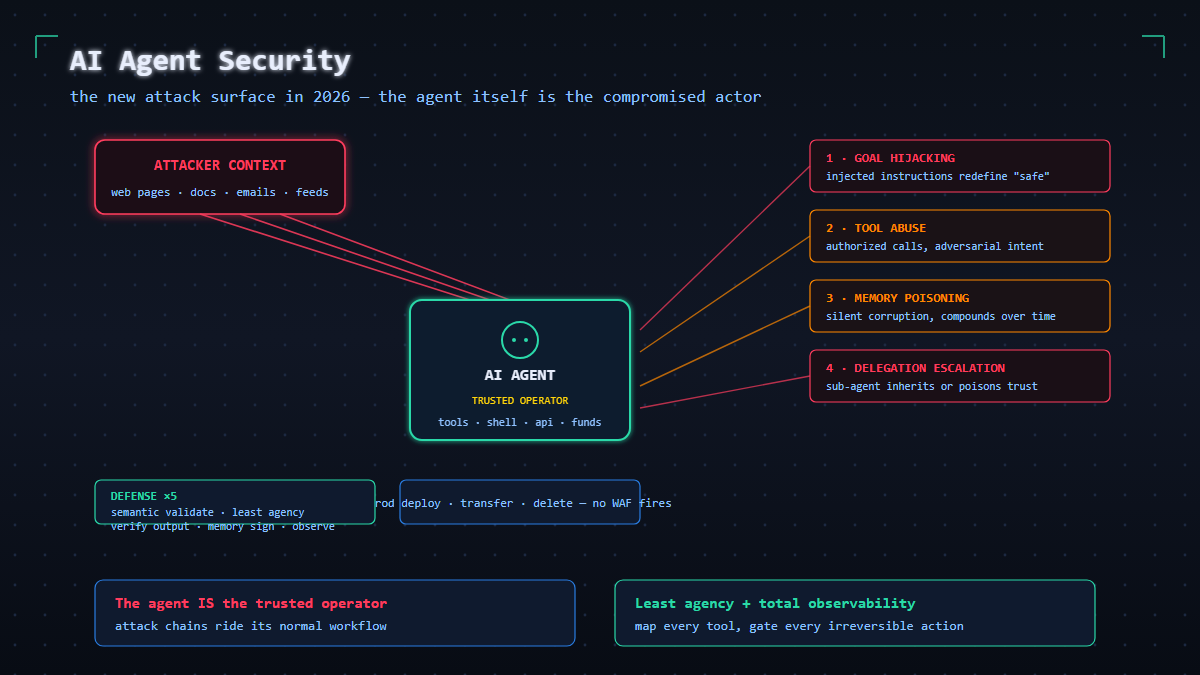
AI agents are the new attack surface: goal hijacking, tool abuse, memory poisoning, and delegation escalation — plus the five-layer defense framework that catches what WAFs and code review can’t.

Security Operations Centers are drowning in alerts. This guide covers how SOAR platforms, AI-driven playbook automation, and autonomous triage are transforming SOC efficiency in 2026.
Discover how AI is revolutionizing ransomware attacks in 2026 — from automated RaaS platforms to deepfake-powered extortion and actionable defense strategies.
June 2026 threat briefing: Cordyceps CI/CD flaws exposed 300+ GitHub repos, Cisco SD-WAN zero-days exploited in the wild, and AI-powered agentic adversaries are compressing the attack lifecycle from weeks to hours.
AutoJack turns an AI agent’s web browsing into host code execution: page JavaScript pivots through an unauthenticated localhost MCP route in AutoGen Studio dev builds. Under 2 seconds, no credentials. Defenses inside.
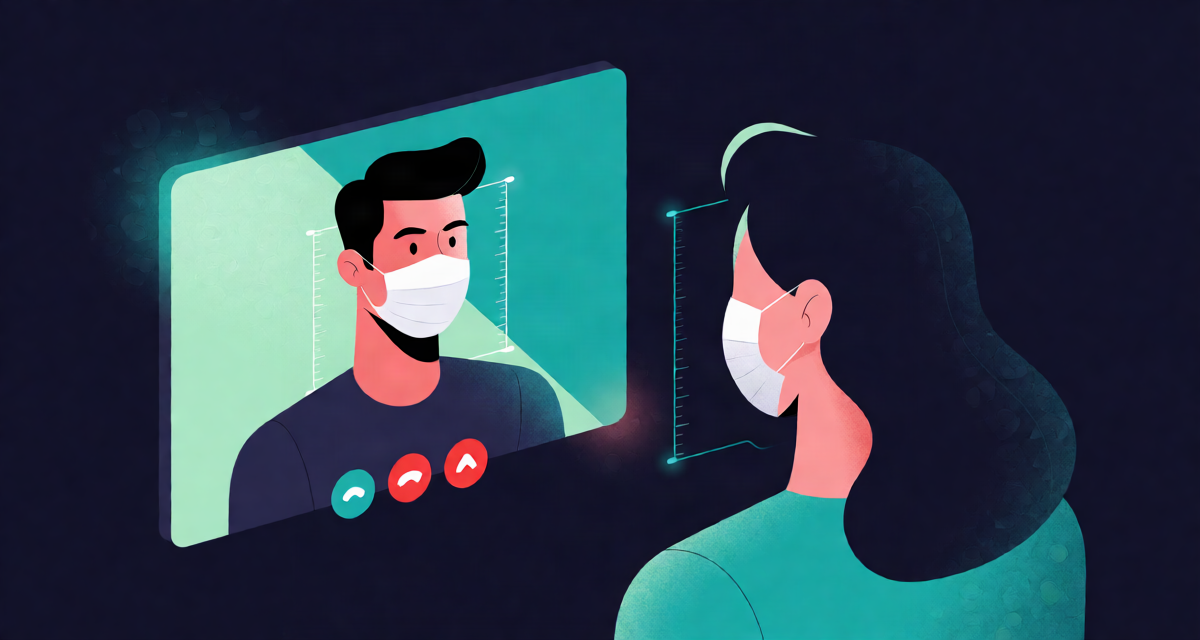
The defender’s playbook for the deepfake era: temporal consistency, rPPG blood-flow detection, spectral forensics, liveness challenges, C2PA provenance — and why out-of-band verification remains the final gate.
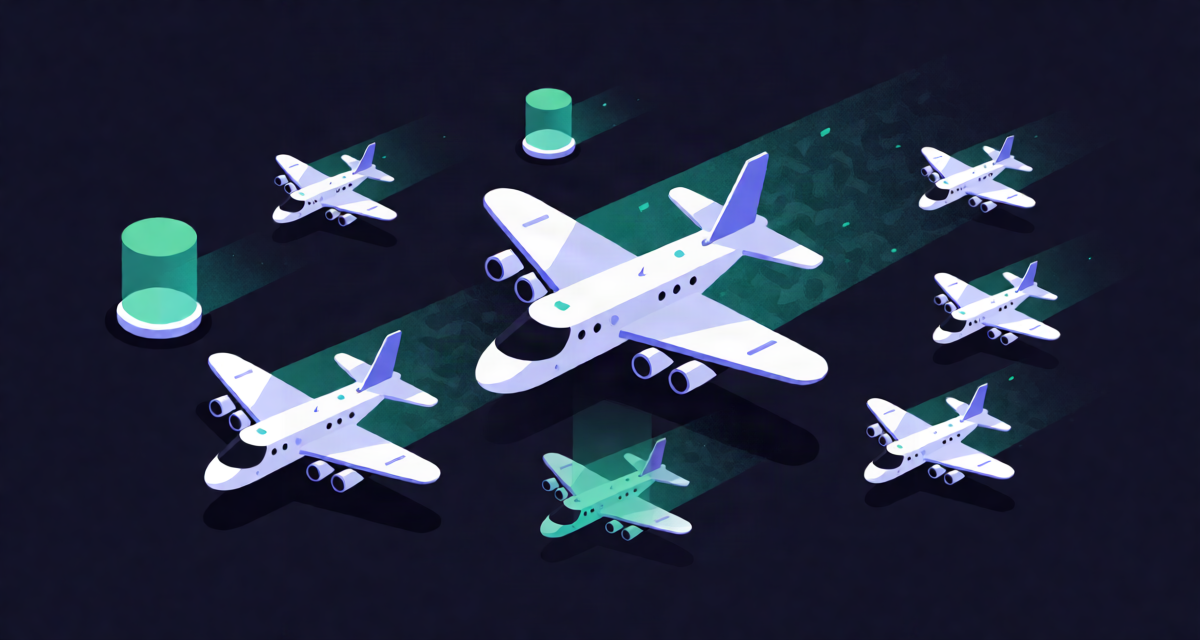
AI-driven autonomous attacks adapt in real time: agent persistence, supply chain poisoning, AI social engineering, autonomous lateral movement, and adversarial ML. The five most dangerous 2026 vectors and the defense strategy that matches them.