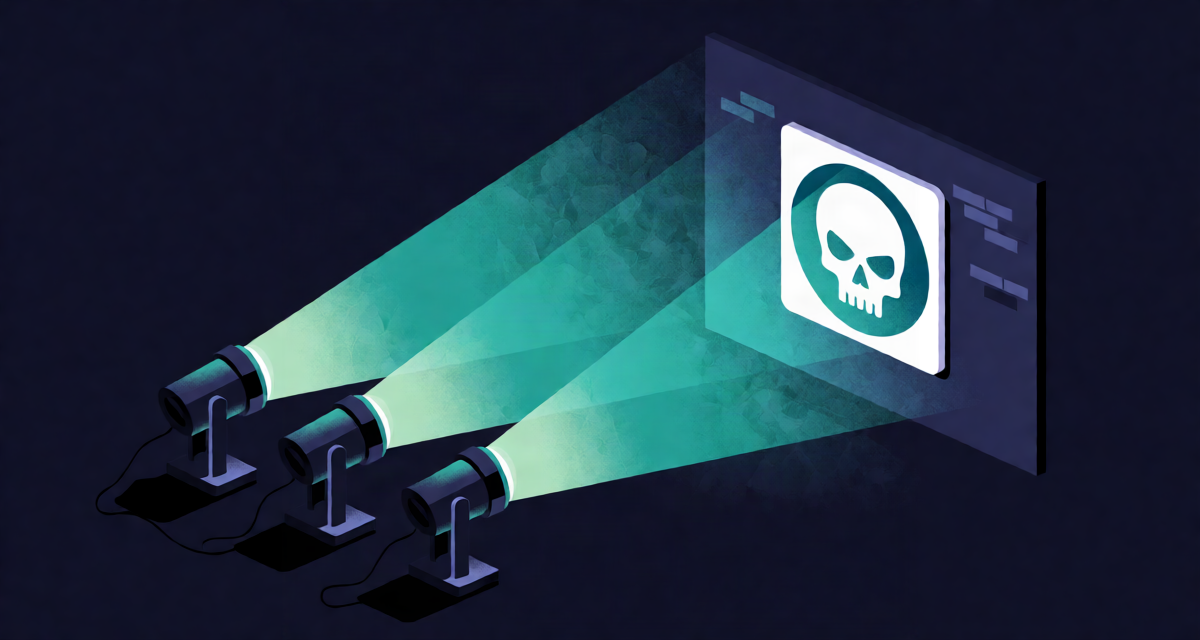
October 2021 closed the quarter with the rarest genre in the ransomware era: decisive state action. On 15 October 2021, following an October FSB-and-partners operation run at the request of US authorities (per Washington Post/RIA reporting of the Russian FSB’s own announcement), Russian security services detained 14 alleged members of the REvil (Sodinokibi) syndicate in multiple regions, seized computers and over 400 million roubles (~$5.6M) plus luxury cars, and — most consequentially — dismantled the group’s infrastructure: the Tor-hidden services and payment/portals died, and REvil never operated meaningfully again. The message carried diplomatic weight at a delicate moment: weeks after Biden’s June/July 2021 summit warnings to Putin over ransomware sanctuaries (and the direct LE channel established), this was Moscow demonstrating it could switch its cybercriminal patronage lever off as easily as on. For defenders, the operational relief was immediate and measurable: REvil-originated attacks flatlined in Q4 2021 telemetry after the group’s July self-pause (post-Kaseya pressure) and October kill-shot confirmed the end.
The October 2021 REvil takedown (15 October 2021; FSB operation targeting the REvil/Sodinokibi ransomware crew) dismantled the most damaging ransomware brand of 2021 — the crew behind the June 2021 JBS Foods extortion ($11M paid), the July 2021 Kaseya VSA supply-chain attack (~1,500 downstream MSP-managed businesses hit via 60-ish direct MSPs, $70M demanded), and the 2021 Travelex/Acer/Sol Oriens line of extortion. Mechanics per FSB statement and US-corroborating reporting: 14 detentions across Russian regions; seizure of 426 million roubles (~$5.5–5.6M), computer equipment, 20 luxury cars; infrastructure seizure/disruption killed REvil’s Tor leak-site and payment portals (already limping after an anonymous actor’s September hijack of the group’s hostage-negotiating infrastructure and an earlier July disappearance-and-botched-relaunch using an old backup). Attribution context: FSB framed it as responding to US transmitted data on REvil’s leadership; the timing landed weeks after Biden administration escalations (sanctions warnings over harbouring ransomware crews). The effect was terminal: REvil-branded attacks — already paused since July 2021 (post-Kaseya heat) — never resumed post-October; affiliates and devs re-badged into successor brands (BlackCat/ALPHV-era actors absorbed talent; Conti till its 2022 implosion, Royal/BlackSuit lineage later). Lessons (2026-relevant): infrastructure takedowns CAN kill brands when paired with arrests and money seizure (versus pure domain seizures that crews route around); criminal-ecosystem talent is liquid, so brand deaths re-shuffle rather than shrink the threat (aggregate ransomware revenue dipped Q4 2021 but rebounded via LockBit/Conti/ALPHV into 2022 — until 2022–2024’s own takedown wave: Conti leaks, Hydra, Hive-Jan-2023, LockBit-Feb-2024 Operation Cronos, ALPHV-2024); and great-power politics is vulnerability AND solution — sanctuary states can grant or revoke criminal impunity as leverage, making geopolitics a first-class variable in ransomware forecasting, the frame we use in ransomware-era coverage.
What happened
Context runway: REvil’s 2021 annus horribilis — Travelex lineage (2020), JBS (June 2021, $11M ransom paid), Kaseya VSA (July 2021, the largest single-vendor supply-chain ransomware event until then) — made it the marquee US-targeting brand. Political pressure peaked accordingly: Biden’s June 16 Geneva summit raised ransomware sanctuaries directly; July’s Kaseya aftermath saw Biden tell Putin to “clean it up or else” (reported flavour of the exchange), and a dedicated US-Russia cyber-experts channel opened. REvil itself went dark 13 July 2021 (post-Kaseya heat, reappearing briefly in September using an old backup against hijacked infrastructure — a researcher/anonymised vigilante had seized their unattended portal keys — then fading again). 15 October 2021: FSB announced detentions (14), asset seizures (~426M RUB, cars/gear), and infrastructure action taken “at the request of US partners” — the first publicised Russia-implemented ransomware takedown, instantly read as a calibrated de-escalation signal.
Aftermath: US officially charged two alleged REvil members (October–November 2021 DOJ announcements added indictments; Europol/coordinated European follow-on arrests of affiliates landed in Romania, Kuwait, and elsewhere across 2021–2022). REvil as a brand flatlined — leak sites stayed dead, negotiators reported silence, telemetry (Chainalysis/vendor IR counts) showed REvil-attributed revenue collapsing to zero. Talent migrated: core devs rumoured into successor-code bases (evidence pointing at ALPHV/BlackCat pedigree), affiliates spreading across Conti/LockBit/BlackCat menus — the classic affiliate-market reshuffle.
How it worked
The takedown’s anatomy versus its limits:
REvil state pre-takedown (July-October 2021):
  - brand dormant post-Kaseya (July self-pause)
  - infrastructure hijacked September (portal keys
    seized by third party), botched semi-relaunch

FSB operation 15 October 2021:
  1. detentions: 14 alleged members across
     Russian regions (leadership targeted per
     US-passed dossiers)
  2. seizures: ~426M RUB (~$5.6M), computers,
     20 cars
  3. infrastructure kill: Tor leak-site/payment
     portals seized/disabled
  4. political cover: "at US request" framing -
     sanction-relief signalling

what died: the BRAND (leverage of arrests +
money + infra in the sanctuary state)
what survived: the TALENT - devs/affiliates
re-badged into ALPHV/Conti/LockBit ecosystem
within months; aggregate ransomware threat
resumed growth 2022
The strategic pattern — arrests+partners-infrastructure kills brands; talent persists — repeated across 2022–2024 operations (Hive’s January 2023 FBI infiltration kill, LockBit’s February 2024 Cronos seizure, ALPHV’s 2024 exit-scam collapse), the enforcement playbook we track in ransomware-era analysis.
Impact and numbers
| Metric | Value | Source |
|---|---|---|
| Operation date | 15 October 2021 | FSB announcement |
| Detained | 14 alleged members | FSB/press |
| Money seized | ~426M RUB (~$5.6M) + 20 cars | FSB |
| Preceding REvil hits | JBS $11M paid; Kaseya ~1,500 downstream orgs | public reporting |
| US indictments | 2 charged (2021 follow-ons) | DOJ |
| Brand outcome | Never resumed; revenue to zero | Chainalysis/IR telemetry |
| Ecosystem effect | Talent to ALPHV/Conti/LockBit; aggregate threat rebounded 2022 | industry analyses |
Timeline
| Date | Event |
|---|---|
| 2021-06/07 | JBS extortion; Kaseya VSA supply-chain attack; US-Russia summit pressure |
| 2021-07-13 | REvil infrastructure self-pauses post-Kaseya |
| 2021-09 | Botched relaunch on hijacked/backup infrastructure |
| 2021-10-15 | FSB detains 14, seizes assets/infrastructure “at US request” |
| 2021-10/11 | US indictments; brand flatline confirmed |
| 2022–2024 | Talent dispersal into successor brands; next takedown wave |
Why it still matters in 2026
The REvil takedown is the anchor precedent for three durable dynamics. First, enforcement works — conditionally: combining arrests, money seizure, and infrastructure capture in the sanctuary state produced the cleanest kill of a top-tier brand in the modern era; pure infrastructure plays (domain blanket seizures) have repeatedly failed to match it. Second, the liquidity lesson: ransomware is a market of skills, not a roster of gangs — REvil’s death redistributed talent into ALPHV/Conti/LockBit within a quarter, and aggregate payments recovered into 2022; operational resilience must assume brand churn and target the underlying commodity stack (initial-access brokers, RMM abuse, laundering rails) rather than logo-of-the-month. Third, the geopolitics variable: Moscow’s on/off criminal-sanctuary lever (REvil October 2021 granted, February 2022 post-invasion revoked — with subsequent takedowns drying up as cooperation collapsed) makes ransomware forecasting inseparable from great-power relations, which is why 2026’s enforcement outlook (LockBit-Cronos policing-by-seizure, collective sanctions on Castle/embassy-era crews) reads as improvised substitutes for the sanctuary-state lever. Post-Kaseya/REvil defenders’ playbook — hardened MSP supply chains, tested restores, severity-fast patching of the RMM/VDI perimeter — remains the standing relevant controls, per ransomware-era guidance.
Detection and hardening takeaways
- Plan for brand churn, harden the commodity chain. REvil’s successors reused the same TTPs (RMM tool abuse, unpatched perimeter, AD weaknesses); invest in the vendor-agnostic kill-chain defences (EDR on everything, phishing-resistant MFA, network segmentation) rather than IOC-chasing any single brand.
- Treat MSP/RMM perimeters as tier-zero-adjacent. Kaseya→REvil generalised: whatever manages many clients concentrates blast radius — lock down RMM consoles (MFA, IP allowlists, least-privilege technician roles), monitor for new-agent deployment anomalies across the fleet.
- Test restores under adversary conditions. REvil-era victims survived or died by backup integrity; validate offline/immutable copies, scripted restore rehearsals, and clean-room recovery — including the extortion-pressure scenario where partial restore beats perfect restore delayed a week.
- Track infrastructure takedowns as threat-intelligence events. Brand deaths (REvil, Hive, LockBit seizures) reshape affiliate migration and often spike copycat rebrands in following months — expect threat-landscape churn and pre-position detection coverage for successor TTPs.
- Monitor geopolitics as a ransomware input. Sanctuary-state posture shifts (2021 cooperation, 2022 collapse) moved attack volumes more than any technical control; factor diplomatic signals into quarterly threat forecasts and executive briefings.
FAQ
Did the REvil takedown actually reduce ransomware?
Yes, briefly and specifically: REvil-branded attacks and revenue went to near-zero and stayed there, and Q4 2021 aggregate payments dipped (Chainalysis-era data). But the respite was a reshuffle, not a cure — affiliates moved to Conti, LockBit, and ALPHV, and 2022 resumed growth. The structural takeaway: enforcement kills brands, defence-in-depth must handle the market continuity of the underlying talent.
Why did Russia act after years of harbouring?
Calibrated signalling: the operation landed weeks after Biden’s summit escalations and explicit warnings over ransomware sanctuaries, and the FSB’s “at US request” framing was unusually public. The read then (and since) is that criminal prosecutions in Russia function as geopolitical cards — played in October 2021, revoked after February 2022’s invasion collapsed cooperation. It was never a durable policy shift in isolation.
Is REvil really gone?
As a brand, yes — infrastructure dead, leadership detained-damaged, brand toxic among negotiators. As people and code, no: successor crews (ALPHV’s pedigree most-cited) carried techniques forward, and leak-site/extortion innovations became industry-standard. The correct model is brand-diffusion: the gang died, the craft survived — exactly the dynamic our ransomware-era analysis tracks across the 2022–2026 succession.
Fourteen arrests and the brand-mortality lesson
The REvil takedown — fourteen arrests coordinated through Russian enforcement under US pressure, plus the earlier covert-access operation that seized controller infrastructure — added the final data points to the brand-mortality curve this series tracks across LockBit and Emotet: ransomware brands die through enforcement, affiliate dispersion, or both, and the mortality is real but non-curative. REvil never returned post-takedown, distinguishing it from the rebuilt competitors; the affiliate population, as always, simply migrated with their skills intact.
The enforcement mechanics taught their own lesson: the cooperative-Russian-enforcement channel opened and closed with geopolitics, making takedown capacity a variable of international relations rather than a constant of justice — the reason the doctrine of this series never rests defense on enforcement expectations. The Kaseya attribution that began the pressure campaign and the arrests that ended the brand bookmark an enforcement arc of roughly a year, fast by historical standards and still slower than every victim recovery timeline it eventually justified.
The consolidation for defenders remains the takedown canon: use the window (stale indicators, disrupted operations, decryption artifacts circulating post-seizure), keep the doctrine (the affiliates outlive the brand, so the intrusion-chain defenses outlive any single crew), and read the enforcement news as an input to threat models rather than a substitute for them. Fourteen arrests killed the worst brand of the era; the following year ransomware volume rose anyway — the clearest single sentence in the enforcement-versus-ecosystem record.
Related Reading
- What Studying 33 Historic Cyberattacks Taught Me About Defending Systems Today
- Passwordless in 2026: Why Passkeys Are Finally Killing the Password (and How Attackers Are Adapting)
- 2022–2024: Lapsus$, Change Healthcare & the XZ Backdoor
- Authoritative reference: CISA Known Exploited Vulnerabilities
- Costa Rica’s Conti Emergency: When Ransomware Became a National
- Conti’s 60,000 Chats: Anatomy of a Ransomware Giant
- Change Healthcare ALPHV: The Ransomware That Broke US Healthcare