
Blog

KnowBe4 vs a Fake North Korean IT Worker: The AI-Era Insider Case Study

In July 2024, security-awareness firm KnowBe4 hired a remote principal software engineer who turned out to be a North Korean IT worker using an AI-groomed persona, a US PPPoE front, and a stolen identity. Detected within 32 minutes of suspicious activity and fully rigged with granular session logging, the case became the definitive inside look at DPRK pension applicantFraud — from laptop farms to paycheck revenue streams funding weapons programs. This piece reconstructs the fraud chain, the detection story, and the hiring controls that failed.

Continue ReadingKnowBe4 vs a Fake North Korean IT Worker: The AI-Era Insider Case Study

Google AI Overviews: Prompt Injection Hits the Homepage of the Internet

When Google rolled AI Overviews into US search in May 2024, satirical sources got quoted as fact at national scale — glue on pizza, rocks as vitamins — and security researchers reframed the comedy as indirect prompt injection: retrieved content steering the answer in Google’s own voice. This piece tracks the launch-week failures, the overview-bait SEO economy that followed, the manual-removal treadmill, provenance-aware retrieval as the real fix, and why RAG systems inherit the trust profile of their worst-cited source.

Continue ReadingGoogle AI Overviews: Prompt Injection Hits the Homepage of the Internet

Sisense Breach: CI Credentials, AWS Keys and a CISA Advisory

On April 24, 2024, CISA and the FBI advised every Sisense customer to rotate credentials after attackers compromised the BI vendor’s development environment — and by week’s end, Sisense-issued AWS keys were circulating publicly. This piece reconstructs the five-day arc from detection to contained, explains why business-intelligence platforms are credential funnels that turn vendor CI/CD breaches into customer incidents, and extracts the third-party-risk doctrine the episode left behind for every embedded-analytics supply chain.

Continue ReadingSisense Breach: CI Credentials, AWS Keys and a CISA Advisory

Ray AI Framework’s ‘Won’t Fix’ CVEs: A Control-Plane Debate

When Protect AI disclosed five Ray vulnerabilities in March 2024 — including critical RCE via the unauthenticated control plane — Anyscale’s ‘won’t fix, trusted-networks design’ stance ignited the year’s sharpest debate over AI infrastructure responsibility. This piece unpacks the job-submission RCE, the exposed-cluster census, the bounty economics, what Anyscale later shipped anyway, and the hardening playbook that became standard for every exposed ML control plane.

Continue ReadingRay AI Framework’s ‘Won’t Fix’ CVEs: A Control-Plane Debate

Change Healthcare ALPHV: The Ransomware That Broke US Healthcare

One ALPHV/BlackCat intrusion in February 2024 froze claims and pharmacy payments across US healthcare for weeks — the single most consequential ransomware attack of the year. This account covers the nine-day dwell time, the $22 million ransom payment and the exit-scam double-cross that brought RansomHub back for seconds, the eventual disclosure of hundreds of millions of records, and why one processor’s central position converted a single encryptor into a national healthcare liquidity crisis.

Continue ReadingChange Healthcare ALPHV: The Ransomware That Broke US Healthcare

BGP Hijacking’s 2023 Resurgence, and What RPKI Fixed

All through 2023, route leaks and suspected BGP hijacks kept redirecting chunks of internet traffic — events touching Rostelecom-linked infrastructure, financial services, and a persistent streak of cryptocurrency-targeting interception paths. None matched the famed mass redirections of prior years, but the pattern of brief, deniable, hard-to-attribute incidents kept routing security in the research headlines. This year-end review explains how BGP trust fails, walks the 2023 incident ledger with appropriately hedged attribution, and covers the defensive state of the art: RPKI signing crossing majority coverage, MANRS norms, and external route monitoring.

Continue ReadingBGP Hijacking’s 2023 Resurgence, and What RPKI Fixed

Cisco BroadWorks CVE-2023-20237: The SSO Bypass Scare

In September 2023 Cisco rushed out patches for CVE-2023-20237, a critical authentication bypass in BroadWorks’ single-sign-on flows that could let attackers authenticate as any user. With evidence of active scanning, carrier admins ran an emergency patch marathon.

Continue ReadingCisco BroadWorks CVE-2023-20237: The SSO Bypass Scare

MGM, Caesars, and Scattered Spider: The Vishing Fall of 2023

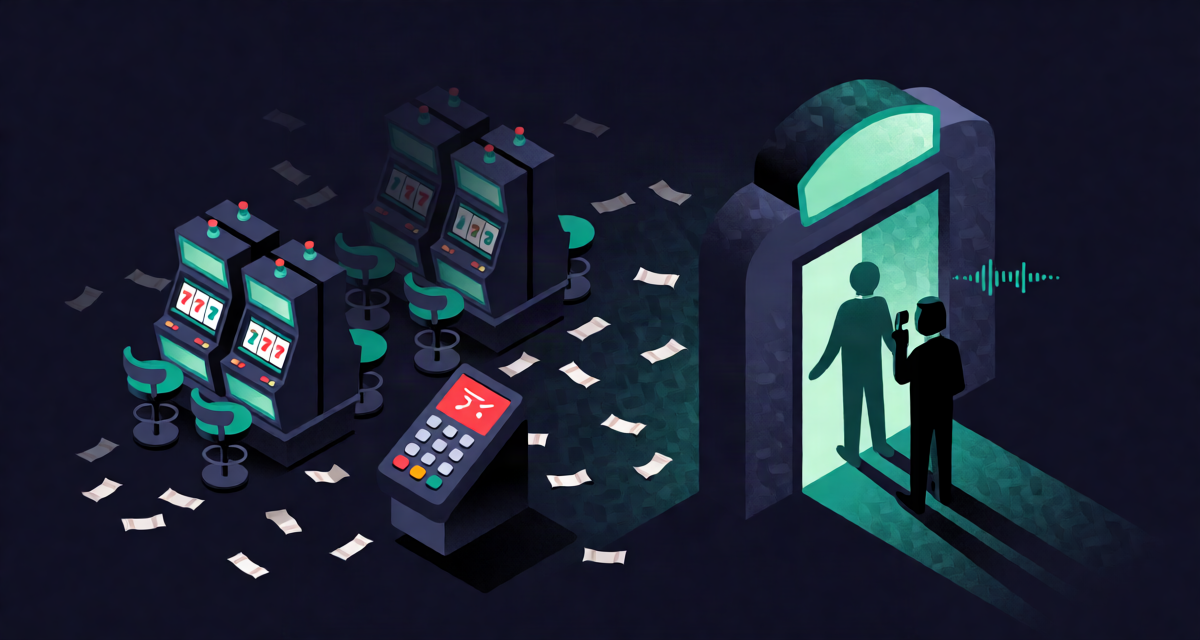
In September 2023 Scattered Spider vished the MGM helpdesk, pivoted through Okta to ESXi, and detonated ALPHV ransomware — a $100M quarter for MGM while Caesars paid up. The reference incident for helpdesk verification, MFA fatigue, and pay-vs-rebuild economics.

Continue ReadingMGM, Caesars, and Scattered Spider: The Vishing Fall of 2023