
Deep Dive into Server-Side Template Injection (SSTI)
A deep dive into Server-Side Template Injection (SSTI) — how template engines turn attacker input into RCE, with discovery, exploitation and defense patterns.
From AI-powered attacks to post-quantum cryptography, explore the five cybersecurity trends defining 2026 and what defenders must do now.
A decade analysis of ransomware evolution from 2016 to 2026, covering RaaS operations, double extortion, initial access brokers, living off the land techniques, and what defenders keep missing.
XXE Injection remains one of the most dangerous web vulnerabilities, allowing attackers to read server files, execute SSRF, and even achieve remote code execution. Master in-band, out-of-band, and blind XXE techniques with practical payload examples.
A comprehensive guide to the top 10 emerging cybersecurity threats in 2026, including AI-powered attacks, post-quantum risks, cloud-native exploits, and deepfake fraud.
Explore multi-agent AI security: A2A protocol hardening, MCP boundary enforcement, cross-agent memory isolation, and trust boundary design patterns.
A comprehensive security assessment of the Model Context Protocol covering threat modeling, attack surface analysis, pentest methodologies, prompt injection test cases, and hardening strategies for MCP servers and clients.
AI-powered attacks surged in 2026: autonomous attack agents, AI-generated phishing up 1,200%, and machine-speed exploitation. The top threat vectors and what AppSec professionals must do to defend.
A deep dive into securing AI agent supply chains — MCP server vetting, dependency integrity, sandboxing, and trust anchors for AI infrastructure.
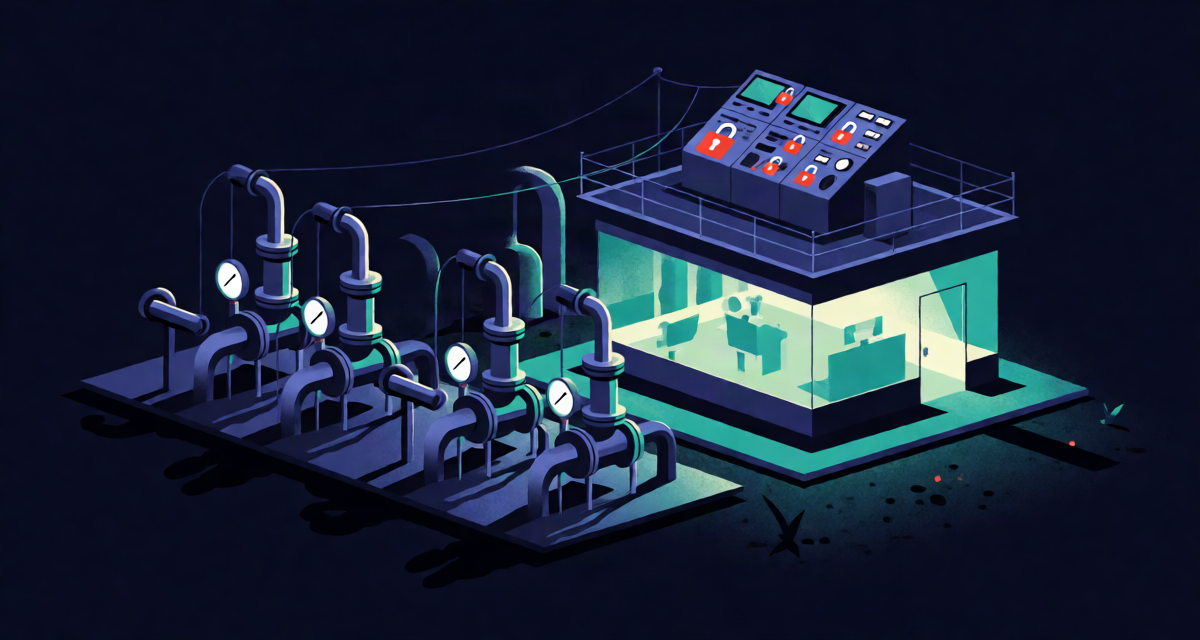
Since January 2024, ships manage cyber risk under IMO-derived requirements enforced by flag and port-state control, IACS E26 and E27 give class societies assessment criteria, and the US Coast Guard can detain deficient vessels. Bridge, cargo, propulsion, SATCOM and crew IT share one hull: treat the vessel as an OT estate.
From 2027 connected products without CRA-backed security lose the CE mark and the EU market. EN 303 645 already draws the floor: no default passwords, disclosure policy, update transparency. The real work is turning security into a documented lifecycle — threat models, SBOMs, tested updates — instead of a checkbox before the ceremony.
MCP is not one trust boundary - it is four: transport, tool, data and agent. This guide maps the Model Context Protocol attack surface and gives a hardening checklist for every layer, from stdio server credentials to tool-description review.
New threat analyses, tool guides and hardening playbooks — delivered straight to your inbox, the moment they go live.