What happened?
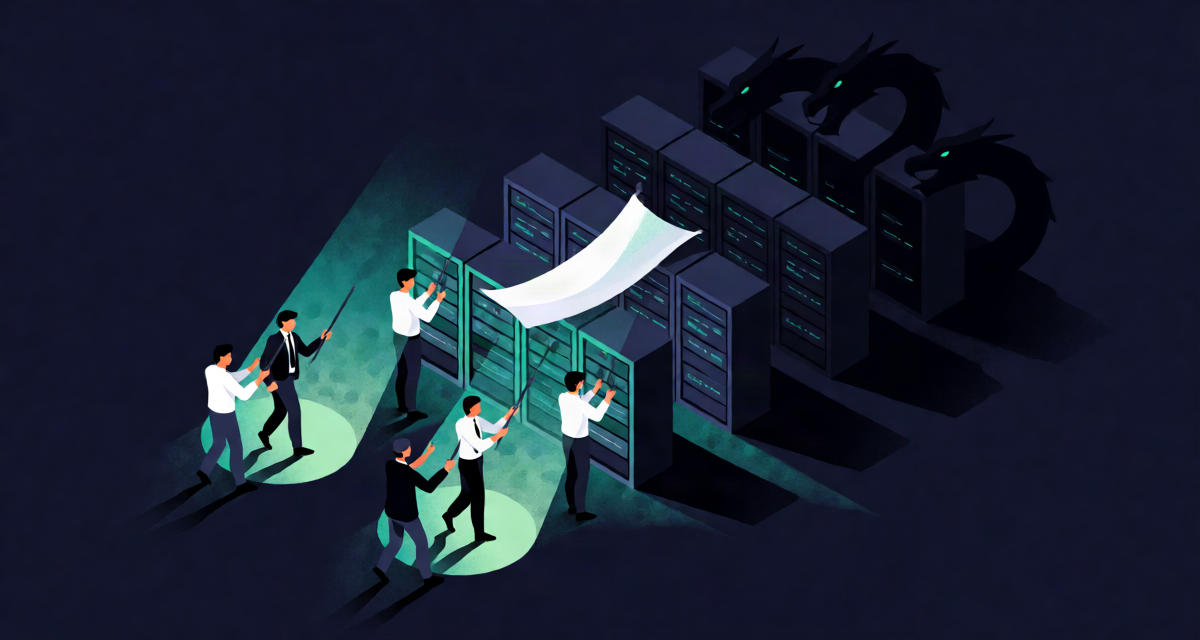
On 19–20 February 2024, the UK’s NCA, the FBI, and a ten-country coalition seized LockBit’s infrastructure in Operation Cronos: 34 servers and some 14,000 accounts deep, with the gang’s leak-site replaced by an NCA splash page. The takedown dominated headlines that week, though its publish date here attaches to the fuller picture that emerged by 23 February: an infiltration months in the making, decryption keys distributed, and — awkwardly — a ransomware crew that would partially resurrect itself within days.
Quick Answer: Operation Cronos seized LockBit’s leak site, servers, and affiliate panel in February 2024, disrupting the world’s most prolific ransomware operation; law enforcement held the infrastructure, obtained decryption keys, and published affiliate identities — but LockBit’s core operators survived, rebuilt, and returned within a week, turning the takedown into a lesson in both what seizures achieve and what they can’t.
The infiltration story reads like an espionage novel. NCA investigators had been inside LockBit’s affiliate and panel infrastructure since at least mid-2022, riding out updates and quietly harvesting source code, chat logs, and operational data. When the coordinated action hit in February, the operators’ own opsec choices betrayed them: they scheduled the takedown’s own countdown to land during an awareness window when they had capacity to respond immediately. The seized leak site flipped — victims’ data replaced by enforcement messaging and, later, a drip-feed of affiliate identities drawn from the stolen chat database.
What the seizure actually took
LockBit was ransomware-as-a-service: a brand, an affiliate program, a negotiation panel, a leak-site extortion platform, and a malware development team. Cronos seized the outward-facing estate — panels and leak-site nodes across multiple jurisdictions — and frozen bulletproof hosting relationships. What it could not seize: the developers’ laptops, the affiliate base’s skills, the brand’s myth, or bitcoin wallets already cashed out. RaaS is an economy, and economies regrow where demand persists.
- 34 servers seized across the estate; affiliate panel and negotiation infrastructure captured intact, including affiliate chat histories.
- ~1,000+ decryption keys obtained and distributed to victims through the No More Ransom and victim-outreach channels.
- 14,000 accounts harvested from the affiliate platform; identities dripped publicly through spring 2024
- $130M+ in victim payments to LockBit traced via Chainalysis-style analytics during the preceding period.
How covert access changed the playbook
The historical model — seize servers, post a splash, go home — evolved. Cronos showed the value of dwelling inside criminal infrastructure: watching negotiations, mapping affiliates, and timing the strike for maximum disruption of operations and confidence alike. The approach echoes the dark-web enforcement doctrine that dismantled Hive in 2023 and would later guide Genesis and Bretxaas-style actions. For defenders, the takeaway is asymmetric visibility: the same patience that makes takedowns effective also produces the intelligence that feeds private-sector threat reports months later.
The awkward aftermath
Within a week LockBit’s remaining operators relaunched an alpha leak-site on new infrastructure and claimed the seizure was trivial. Reality met them halfway: affiliate confidence was dented, the brand was tainted by law-enforcement fingerprints, and — the deeper wound — the publication of affiliate chat logs and identities burned the trust economy that RaaS runs on. By mid-2024, LockBit-affiliated activity continued but at reduced scale and standing; rivals like RansomHub absorbed sweated affiliates. The market share hemorrhaged even as the name survived.
| Date | Event |
|---|---|
| 2022–2023 | NCA/FBI covert access to LockBit infrastructure matures; source code and chats collected |
| 2024-02-19 | Operation Cronos executes: servers seized, leak site defaced with NCA splash, countdown to enforcement disclosures begins |
| 2024-02-23 | Decryption keys distributed; affiliate identity drip-feed announced; full coalition scope (10 nations) confirmed |
| 2024-03 | LockBit relaunches v3.0 infrastructure; sanctions hit affiliates (incl. published identities); metrics show activity down sharply |
| 2024-05 | Dmitry Khoroshev unmasked as LockBitSupp; US indictments and $10M bounty announced |
| 2024-05-07 | Operation Cronos’ second phase targets residual infrastructure; affiliate rotation to RansomHub-style programs accelerates |
FAQ
Did Operation Cronos kill LockBit?
No — and yes. The brand limped on with relaunches through 2024, but its market share collapsed, its affiliates defected, and its administrator was indicted and publicly identified. As a law-enforcement outcome, that’s the modern definition of success against RaaS: degrade the economy, not merely delete the malware.
What did the published affiliate chats reveal?
Negotiation records, affiliate-to-admin disputes, payment addresses, and identity fragments — raw material for sanctions, indictments, and corrosive levels of inter-criminal distrust. The strategic value exceeded the tactical: every prospective affiliate now knows the panel they trust may be an evidence locker.
Why do ransomware groups survive takedowns?
Because the assets that matter — developers, initial-access brokers, affiliates, launderers — are people and relationships, not servers. Seizures raise costs and destroy coordination, but as long as victim payments fund the ecosystem, displaced operators reassemble under new brands. Durability requires follow-on pressure: sanctions, crypto-tracing, negotiations disrupted.
The bounty economy’s response
The marketplace absorbed Cronos faster than commentators expected. RansomHub positioned itself as the neutral RaaS for refugees; negotiation consultants reported victims asking whether “post-LockBit” gangs would honor decryption promises; cyber-insurance pricing barely moved. Criminal ecosystems, it turns out, hedge. The durable metric wasn’t splash-page uptime but affiliate salary expectations — and those fell for LockBit’s brand while rivals’ recruitment pitches rose to meet the supply.
Lessons that outlive the splashes
Cronos recalibrated expectations for cyber enforcement. Takedowns of criminal infrastructure now come with counters — identity disclosure, key distribution, economic analytics — that extend the damage past seizure day. Defenders learned to watch affiliate markets like weather systems; executives learned that a gang’s “death” is a marketing event with a half-life. And the 2024 consensus settled: the way you beat ransomware-as-a-service is by making the service unreliable, the brand poison, and the payday traceable — simultaneously.
Detection and response playbook
Operation Cronos (February 2024) seized LockBit infrastructure — 34 servers, thousands of decryption keys, the affiliate panel — using months of covert access before the disruptive action. For defenders, the takedown is a case study in what law enforcement can and cannot do, and what your obligations remain.
- Use the decryption keys immediately. The NCA released thousands of LockBit keys with a decryption tool. Any organization holding encrypted artifacts from LockBit incidents should check them against the released tooling — recovery without payment is now possible for campaigns previously written off as losses.
- Do not treat a takedown as containment. The awkward aftermath proved the point: LockBit rebuilt within days on new infrastructure, affiliates migrated to rival ransomware programs, and the brand kept operating under degraded trust. Your exposure to a ransomware crew survives its takedown; incident-response plans keyed to specific gang brands are plans for the wrong entity.
- Study how covert access changed the game. Investigators held access for months, mapping affiliates, infrastructure, and the affiliate panel itself — including the leak-site backend that revealed victims never disclosed. The lesson for defenders: your disclosure decisions should assume eventual publication of everything, because someone may already be inside the criminal infrastructure cataloguing it.
- Feed the bounty economy into your threat picture. The takedown came with a record reward offer and a whistleblowing channel that reportedly produced real intelligence from inside the criminal ecosystem. Criminal-ecosystem friction is now a defensive variable: crews under pressure fragment, leak on each other, and make operational mistakes that surface in threat intelligence your team should be consuming.
- Rehearse against the affiliate model, not the brand. LockBit was ransomware-as-a-service: the brand is a platform, the threat is the affiliate population and their TTPs. Detection engineering and tabletop exercises should target intrusion chains (initial access via credentials or appliances, double extortion, encryption) — capabilities that persist across every brand migration the ecosystem produces.
Where this sits in the broader pattern
Operation Cronos continues the enforcement lineage: the Hive takedown of 2023 (infiltrated, keys distributed, then seized), the Genesis Market seizure covered earlier in this series, the AlphaBay-era precedents, and the subsequent actions against Radar and affiliates. The consistent shape: months of covert access, a dramatic seizure, immediate partial reconstitution, and lasting but incomplete degradation.
The economics matter for defenders because the ecosystem adapts faster than enforcement cycles. Affiliate populations treat brands as employers — a takedown is a layoff, and rivals absorb the capacity within weeks. The durable wins are the quieter ones: identification of affiliates (several Cronos-linked arrests followed), decryption capability, and the psychological cost of operating under infiltrated infrastructure. Ransomware volume did not drop after Cronos; specific crews got sloppier.
For organizations, the posture conclusion is steady-state: assume any brand can be tomorrow LockBit, enforce the intrusion-chain defenses that generalize (the Snowflake credential lessons, the PaperCut segmentation doctrine, the MOVEit notification maps), and maintain relationships with the enforcement channels — leakers, key releases, and victim-notification programs — that convert takedowns into recovery opportunities rather than spectator events.
The bottom line. LockBit was seized, diminished, and back within a week — because the threat was never the logo, it was the affiliate labor market and the intrusion chains it rents. Defend the chain, not the brand; use the keys the seizure released; and let the infiltration era remind you that everything an attacker holds eventually becomes evidence, including proof of what you failed to disclose.
For the disclosure dimension specifically: the seized leak-site backend reportedly catalogued victims who had never disclosed. Assume every suppressed incident eventually surfaces through enforcement channels, researchers, or affiliate testimony — and let that assumption, not the ransom note, set your disclosure calendar.
Frequently Asked Questions
.aiopt-faq-block{border:1px solid var(–aio-border,#e2e8f0);border-radius:8px;overflow:hidden}
.aiopt-faq-item{border-bottom:1px solid var(–aio-border,#e2e8f0)}.aiopt-faq-item:last-child{border-bottom:none}
.aiopt-faq-question{width:100%;text-align:left;padding:16px 20px;background:none;border:none;cursor:pointer;display:flex;justify-content:space-between;align-items:center;font-size:16px;font-weight:600;color:#1e293b;gap:12px}
.aiopt-faq-question:hover{background:#f8fafc}
.aiopt-faq-icon{font-size:20px;transition:transform .2s;flex-shrink:0;color:#6366f1}
.aiopt-faq-open .aiopt-faq-icon{transform:rotate(45deg)}
.aiopt-faq-answer{max-height:0;overflow:hidden;transition:max-height .3s ease}
.aiopt-faq-open .aiopt-faq-answer{max-height:1000px}
.aiopt-faq-answer-inner{padding:0 20px 16px;color:#475569;line-height:1.7;font-size:15px}
{
“@context”: “https://schema.org”,
“@type”: “FAQPage”,
“mainEntity”: [
{
“@type”: “Question”,
“name”: “What was Operation Cronos?”,
“acceptedAnswer”: {
“@type”: “Answer”,
“text”: “The February 2024 international law-enforcement action (led by the UK NCA and FBI) that seized LockBit ransomware infrastructure after months of covert access, releasing decryption keys and exposing the affiliate panel and leak-site backend.”
}
},
{
“@type”: “Question”,
“name”: “Did the LockBit takedown stop the ransomware group?”,
“acceptedAnswer”: {
“@type”: “Answer”,
“text”: “No u2014 LockBit rebuilt on new infrastructure within days, though with degraded trust among affiliates. Affiliates largely migrated to rival programs, showing that takedowns degrade but do not dismantle the ransomware-as-a-service ecosystem.”
}
},
{
“@type”: “Question”,
“name”: “What should past LockBit victims do after the takedown?”,
“acceptedAnswer”: {
“@type”: “Answer”,
“text”: “Test encrypted artifacts against the decryption tools and keys released by the NCA u2014 recovery without payment is possible for many past incidents u2014 and review whether stolen data appeared on the seized leak-site backend.”
}
}
]
}
Related Reading
- What Studying 33 Historic Cyberattacks Taught Me About Defending Systems Today
- Passwordless in 2026: Why Passkeys Are Finally Killing the Password (and How Attackers Are Adapting)
- 2022–2024: Lapsus$, Change Healthcare & the XZ Backdoor
- Authoritative reference: CISA Known Exploited Vulnerabilities
- Royal Mail vs LockBit: The $80M Ransom Refusal
- REvil Takedown: How 14 Arrests Killed Ransomware’s Worst Brand
- Change Healthcare ALPHV: The Ransomware That Broke US Healthcare