Blog

PAN-OS GlobalProtect Zero-Day: CVE-2024-3400 Explained

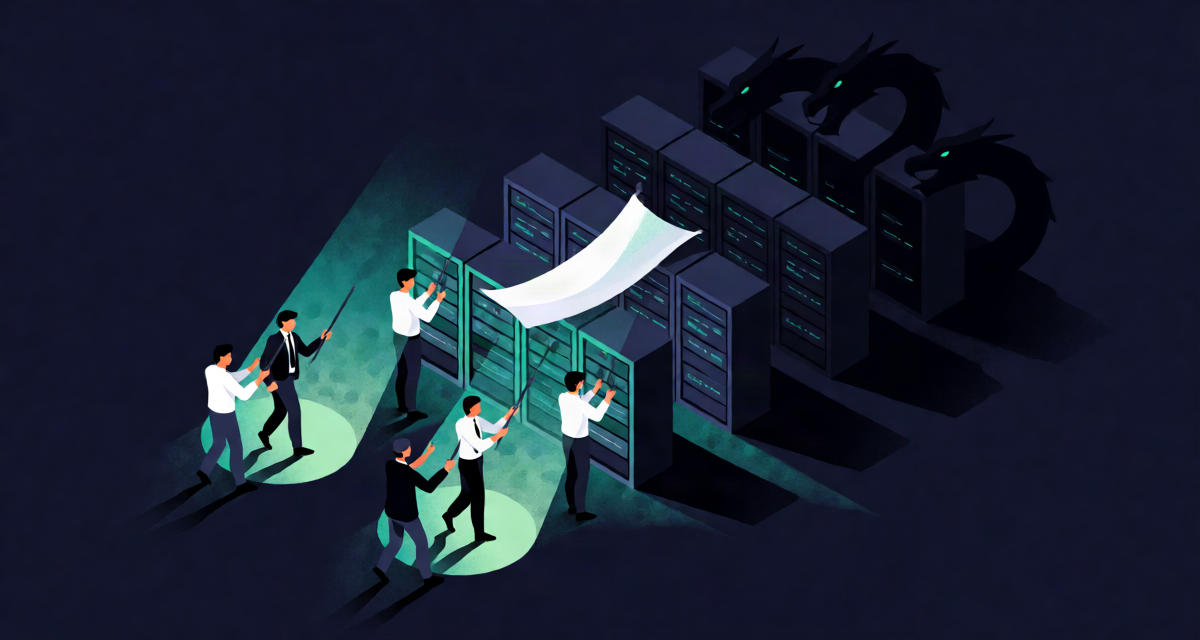
On April 12, 2024, WatchTowr disclosed CVE-2024-3400 — a CVSS 10.0 pre-auth command injection in PAN-OS GlobalProtect that state-sponsored actors had exploited since late March by chaining a cookie-controlled file write into Tcl execution as root. This account walks the two-flaw exploit chain, the scramble after the 10.2.9-h1 hotfix, CISA’s KEV clock, config-hidden persistence that survived reboots, the mitigation-versus-remediation confusion, and why 2024 made appliances patch with server-grade urgency.


Continue ReadingPAN-OS GlobalProtect Zero-Day: CVE-2024-3400 Explained

AT&T 73M Leak: The 2019 Dataset That Resurfaced Free

March 2024’s 73-million-record AT&T leak was an old wound reopened: a 2019-era vendor-workspace dataset, shopped unsuccessfully in 2021, finally dumped free on a hacking forum with SSNs and account details intact. This account disentangles it from the concurrent Snowflake campaign, explains why free publication maximizes criminal utility, maps the 7.6 million passcode resets, and follows the extortion thread that later surfaced in DOJ filings.

Continue ReadingAT&T 73M Leak: The 2019 Dataset That Resurfaced Free

The XZ Utils Backdoor: Inside the Almost-Catastrophe

The most patient supply-chain attack ever caught — a two-year maintainer infiltration that planted an SSH backdoor into xz-utils release tarballs, discovered in March 2024 only because one engineer noticed 500 milliseconds of latency. This account traces the Jia Tan persona from helpful contributor to release engineer, the test-file obfuscation and build-stage injection, the systemd/sshd target chain, the near-miss that kept stable distros clean, and the trust-model reforms that rippled through open source.

Continue ReadingThe XZ Utils Backdoor: Inside the Almost-Catastrophe

JetBrains TeamCity Auth Bypass: Build Servers as Front Door

March 2024’s CVE-2024-27198 let unauthenticated attackers mint admin accounts on self-hosted TeamCity CI servers, converting every connected build agent into attacker-controlled execution holding source, secrets and signing keys. This piece covers the alternate-path authentication bypass, the companion path traversal, the ransomware crews that queued within days, and the year’s hard-learned rule that build infrastructure deserves domain-controller-grade security.

Continue ReadingJetBrains TeamCity Auth Bypass: Build Servers as Front Door

LockBit Takedown: Operation Cronos and Its Awkward Aftermath

February 2024’s Operation Cronos seized LockBit’s infrastructure across a dozen countries — and then the leaks showed how long the FBI had been inside. This account covers the covert access, the sting timing driven by UK hospital targeting, the servers and affiliate accounts taken down, the hurried rebrand to LockBit 4.1, the affiliate diaspora to RansomHub and Akira, and the awkward questions the takedown’s trolling raised about reading crime statistics.

Continue ReadingLockBit Takedown: Operation Cronos and Its Awkward Aftermath

ConnectWise ScreenConnect Auth Bypass: An Instant RCE Wave

February 2024’s CVE-2024-1709 let anyone add administrative accounts to self-hosted ScreenConnect servers — a setup-wizard path traversal that converted remote-support consoles into ransomware deployment platforms within 72 hours of disclosure. This account covers the twinned vulnerabilities, why MSP-hosted instances multiplied the blast radius across client fleets, the observed ransomware sequences, and the hard questions RMM vendors faced about unauthenticated wizard endpoints.

Continue ReadingConnectWise ScreenConnect Auth Bypass: An Instant RCE Wave

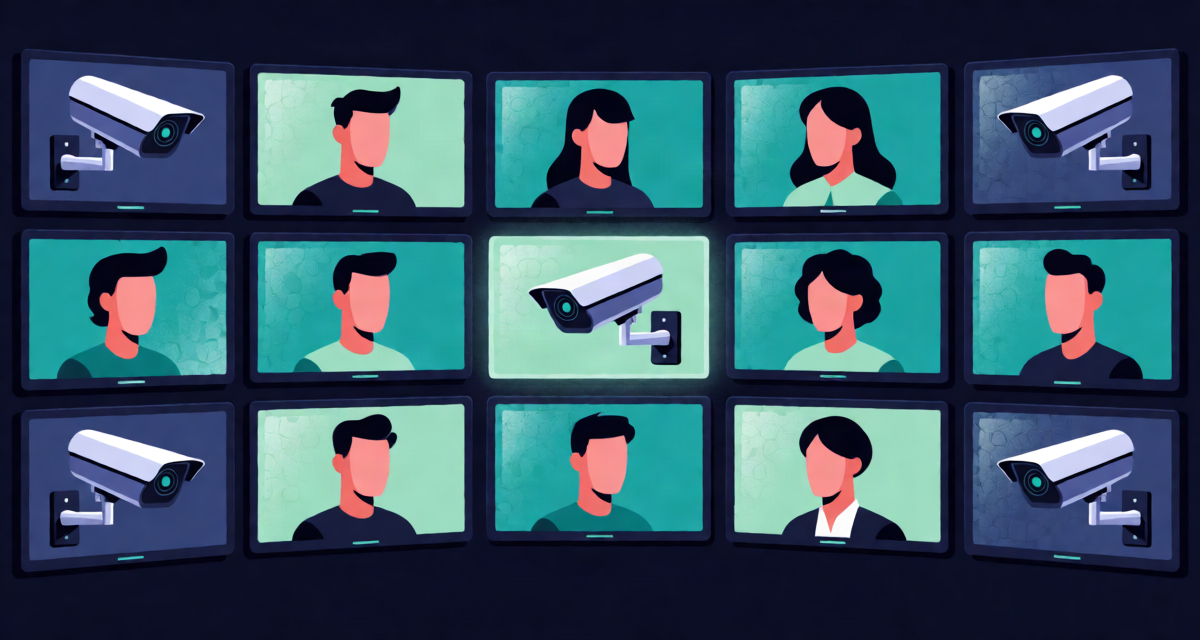
Wyze Camera Flaw: 13,000 Strangers Through One Caching Hole

Two February 2024 vulnerabilities let Wyze app users briefly see thumbnails and live feeds of strangers’ cameras — a cache-key failure amplified by a three-year-old flaw resurfacing in redesigned hardware. This account covers the date-based cache-key bug, the 13,000 affected users, the nine-hour fleet update, and the uncomfortable questions about budget-camera security engineering when the same vendor has now repeated the vulnerability class.

Continue ReadingWyze Camera Flaw: 13,000 Strangers Through One Caching Hole

AnyDesk Breach: Production Compromise and a Certificate Sprint

Remote-access maker AnyDesk confirmed in February 2024 that attackers had compromised production systems using valid credentials traced to infostealer logs — forcing a certificate rotation, password resets, and a rushed 8.1.1 release whose code-signing was intact but whose credibility needed rebuilding. This piece covers the infostealer-to-supply-chain escalation path that rewired vendor-risk thinking, and why remote-admin tooling became a tier-one identity perimeter.

Continue ReadingAnyDesk Breach: Production Compromise and a Certificate Sprint

MOAB: The 26 Billion-Record Compilation That Wasn’t a Breach

The January 2024 ‘Mother of All Breaches’ headline turned out to be a compilation of thousands of prior incidents re-hosted in a misconfigured bucket — 26 billion rows of recycled credentials stacked into a credential-stuffing goldmine. This piece explains why aggregations are not new breaches but still multiply risk, how the 12-terabyte trove mapped to old LinkedIn, Adobe and MyFitnessPal leaks, and why password reuse makes every old breach a live 2024 attack.

Continue ReadingMOAB: The 26 Billion-Record Compilation That Wasn’t a Breach

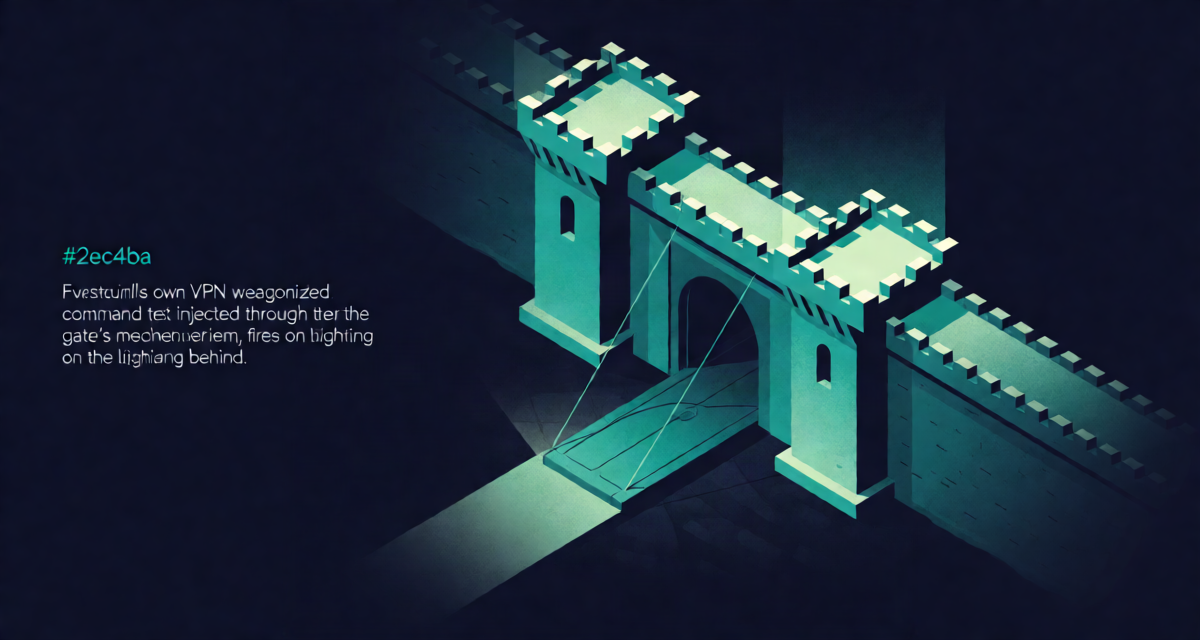
Ivanti Connect Secure Zero-Days: The Edge-Appliance Crisis

January 2024 opened with the year’s first appliance crisis: two pre-authentication zero-days in Ivanti Connect Secure that nation-state actors had already exploited, followed by integrity-check failures and a reset wave across thousands of enterprise VPNs. This account covers CVE-2023-46805 and CVE-2024-21887, the mass exploitation between disclosure and patch, the customers whose breaches surfaced weeks later, and why edge appliances became the year’s most contested patch surface.

Continue ReadingIvanti Connect Secure Zero-Days: The Edge-Appliance Crisis

Apple’s iOS 17.2 Bluetooth Fixes vs the Flipper Zero Craze

December 2023’s patch wave closed the chapter on a strange season: cheap programmable gadgets spraying Bluetooth frames in public, iPhones crashing in viral videos, and Apple shipping denial-of-service fixes in the iOS 17.2 family. This piece explains the crash-pair CVEs, why Bluetooth’s design makes every phone an always-on parser for stranger traffic, how the December 20 advisory window anchored the fixes, and why proximity protocols remain a permanent hardening frontier for every device maker.

Continue ReadingApple’s iOS 17.2 Bluetooth Fixes vs the Flipper Zero Craze

SMTP Smuggling: Spoofing Email With Authenticated Mail

December 2023 brought one of email’s most elegant attacks: SMTP smuggling, a parser-level desync that tricks receiving servers into writing attacker-authored messages that pass SPF and DMARC because the victim’s own infrastructure vouches for them. This deep dive covers the technique mechanics (end-of-data ambiguity, the second hidden MAIL FROM conversation), the December 19 disclosure and DHL demonstration, the two anchoring CVEs, which product families patched, and the durable lessons for mail admins running anything that speaks SMTP.

Continue ReadingSMTP Smuggling: Spoofing Email With Authenticated Mail