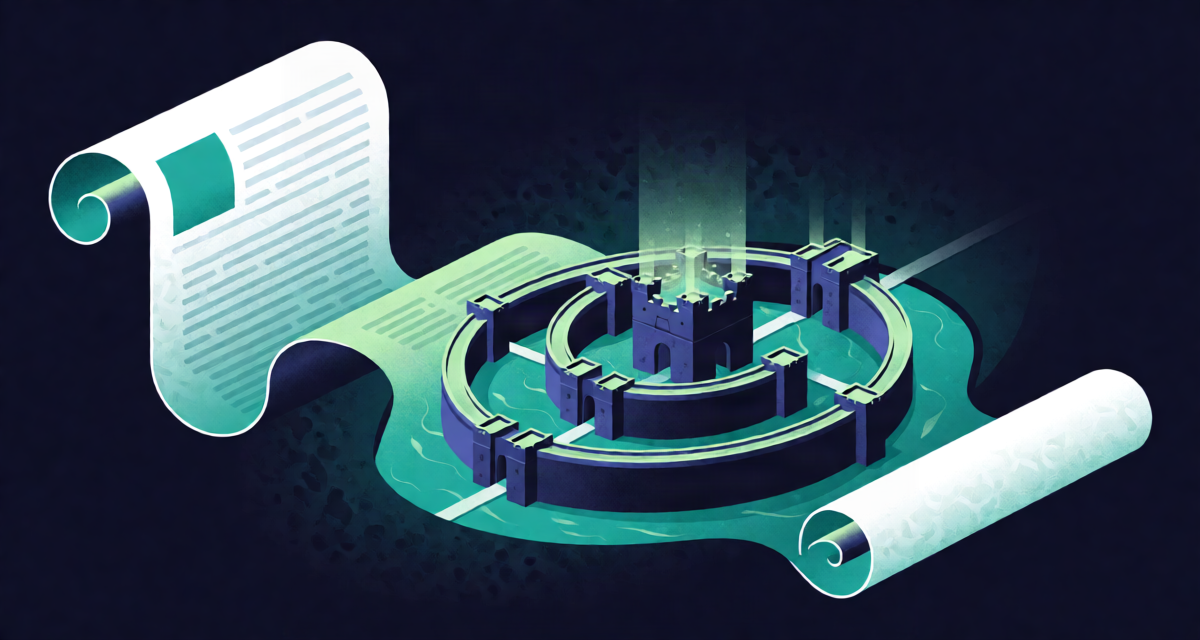
M-22-09: The Memo That Made Zero Trust Federal Law
OMB’s January 2022 mandate gave zero trust deadlines, named technologies, and an oversight structure — rewriting industry roadmaps worldwide.

OMB’s January 2022 mandate gave zero trust deadlines, named technologies, and an oversight structure — rewriting industry roadmaps worldwide.
EO 14028 turned zero trust from slide-ware into federal procurement doctrine — MFA, SBOMs, NIST 800-207, the Cyber Safety Review Board — and reset vendor incentives industry-wide.
A practical blueprint for AI agent authorization: task-scoped credentials, tool allow-lists, approval gates, workload identity, and full audit trails - mapped to OWASP and NIST.
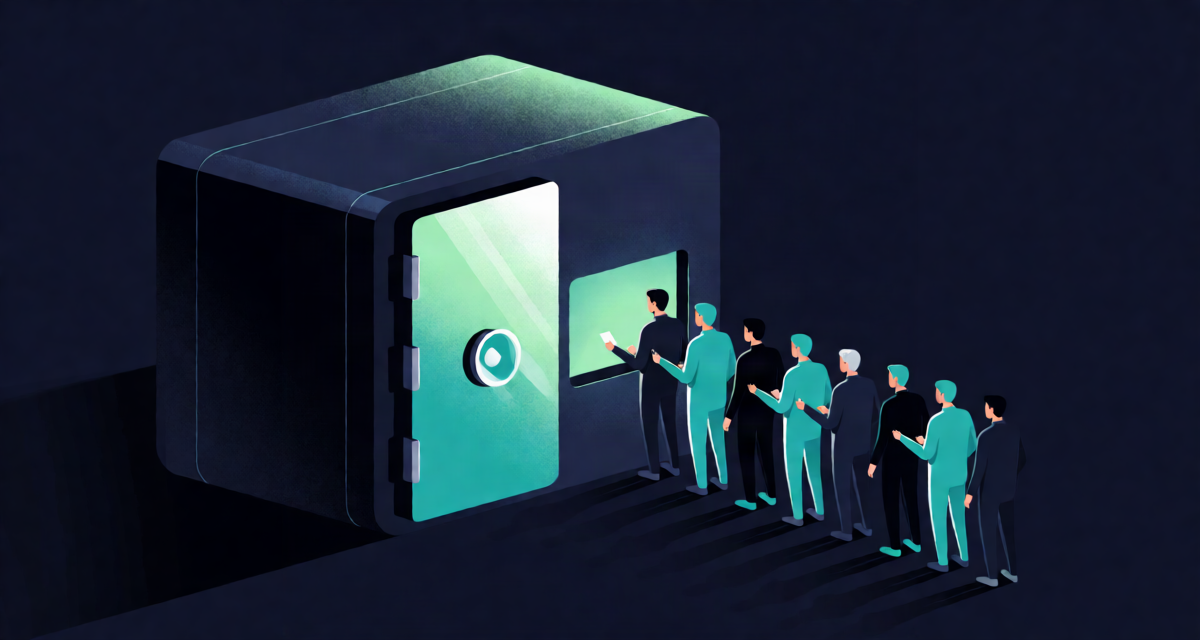
Your IAM system answers 'who has access' — AI agents ask 'what will this identity do next.' The authority gap, three real attack scenarios, and a four-layer framework to close it.
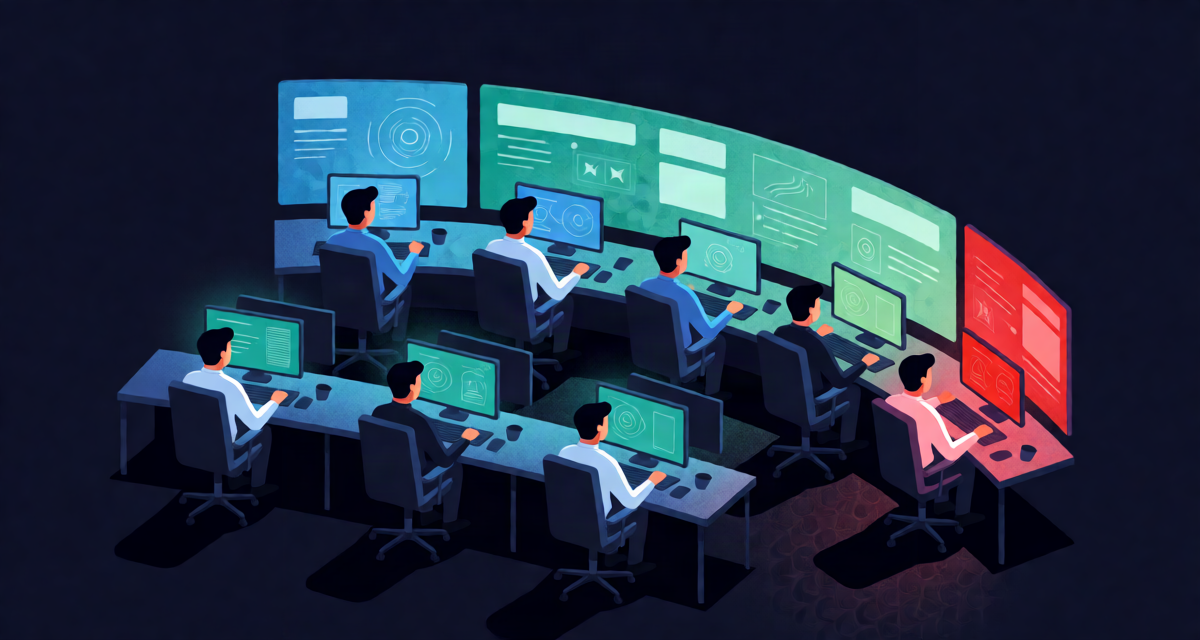
How AI agents transform enterprise SOC operations — autonomous triage, incident response, threat hunting, and compliance automation.

Master the three-layer model for AI agent identity: cryptographic identity, capability permissions, and runtime least privilege for autonomous AI systems.
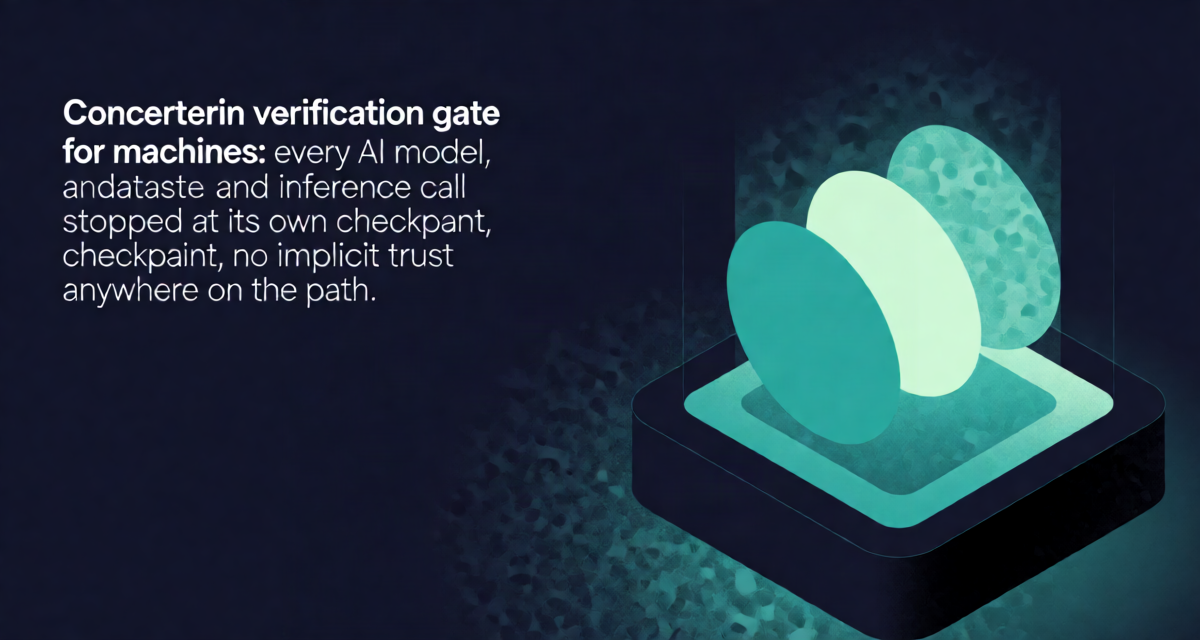
Zero Trust for AI systems requires rethinking identity, data flows, and access control. Learn the five pillars of AI Zero Trust — identity verification, input validation, least privilege, monitoring, and encryption — with practical architecture patterns and implementation roadmap.

AI-driven autonomous attacks adapt in real time: agent persistence, supply chain poisoning, AI social engineering, autonomous lateral movement, and adversarial ML. The five most dangerous 2026 vectors and the defense strategy that matches them.
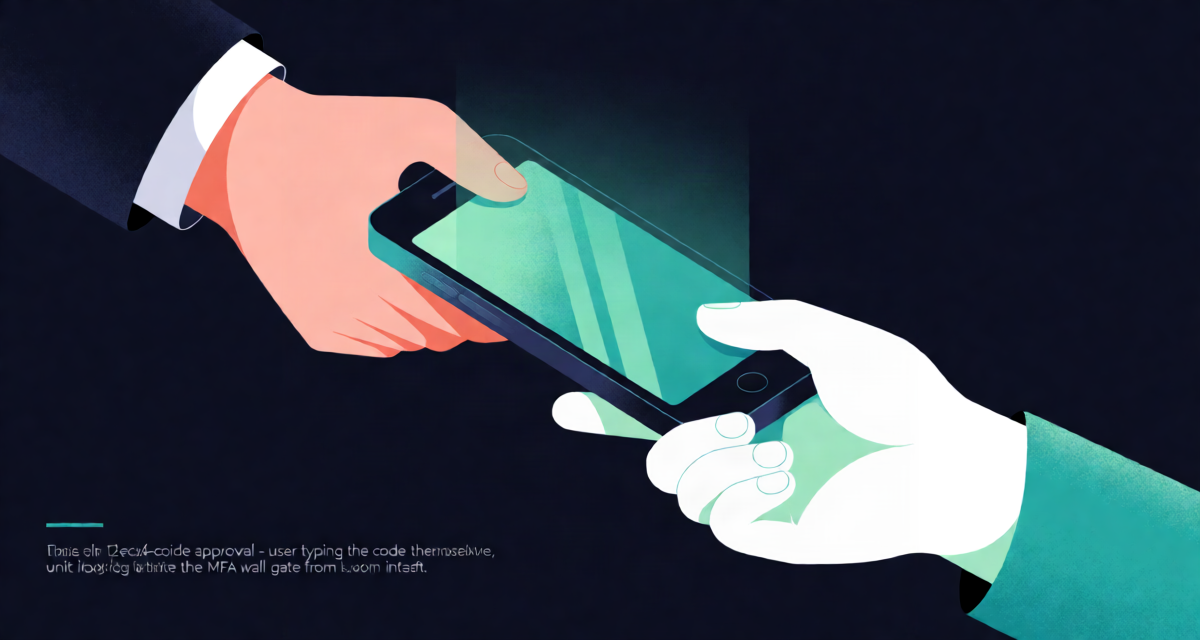
Device code phishing surged 37x in 2026. How attackers exploit OAuth 2.0 device authorization grants to turn victims’ own MFA against them — plus detection strategies and defense hardening.

From AI-powered attacks to post-quantum cryptography, explore the five cybersecurity trends defining 2026 and what defenders must do now.
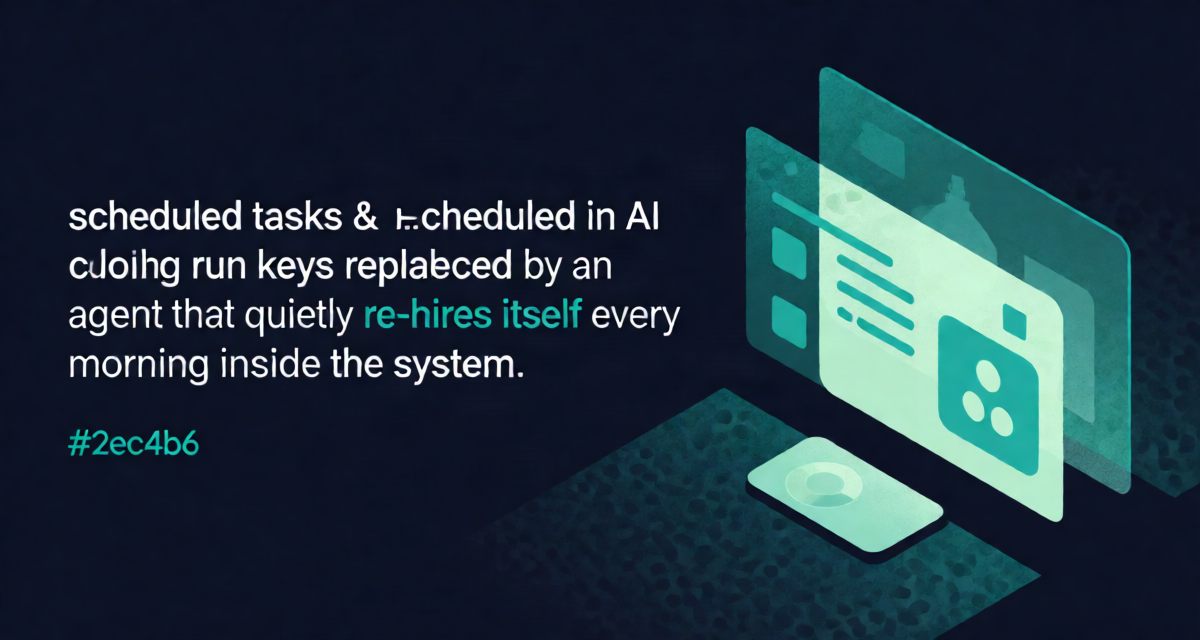
AI agent persistence attacks hide in prompt caches, tool registries, agent memory, and OAuth grants — surviving patches, restarts, and retraining. The five techniques and the hardening that stops them.
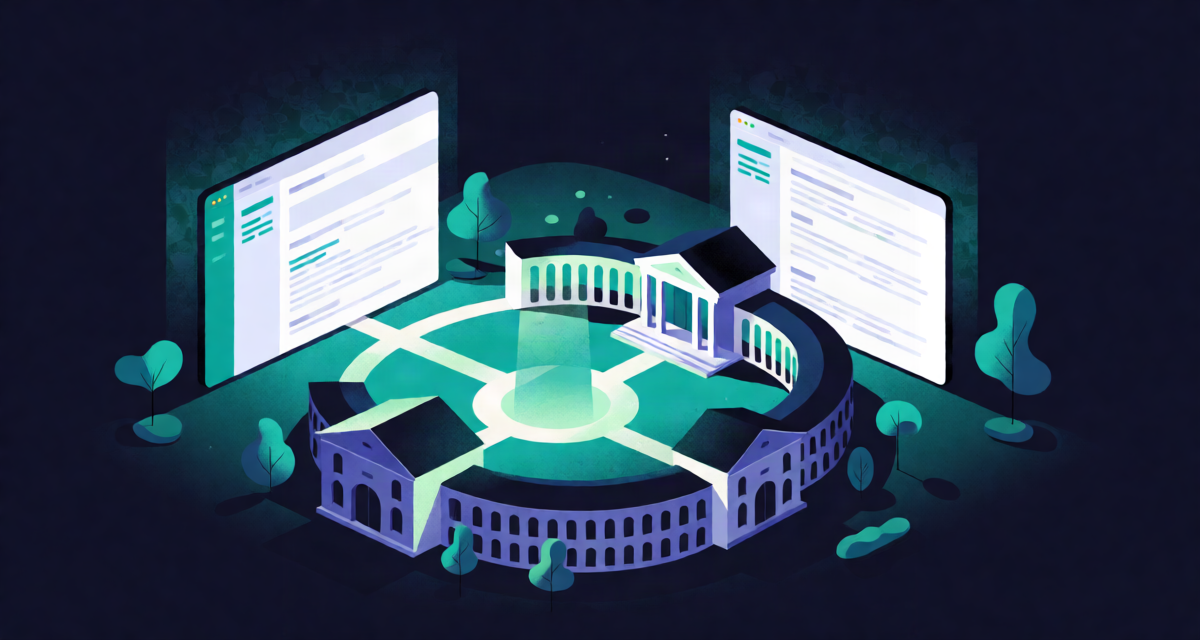
Two May 2026 incidents hit academia during finals week: the Instructure/Canvas LMS breach exposing thousands of institutions, and the Carmen platform shutdown after a national cybersecurity incident. The education sector's vendor graph is the new attack surface.