Rishikesh: A Complete Travel Guide to the Yoga Capital of the World
Known as the Rishikesh yoga capital of India, this guide covers everything. Rishikesh is one of those places in India that feels different the moment you arrive. The Ganga flows with unusual force and clarity, temple bells echo in the background, and the town carries a mix of spirituality, adventure, and mountain calm. Located in Uttarakhand at the foothills of the Himalayas, Rishikesh attracts yoga students, pilgrims, backpackers, digital nomads, and thrill seekers all year round.
Thank you for reading this post, don't forget to subscribe!
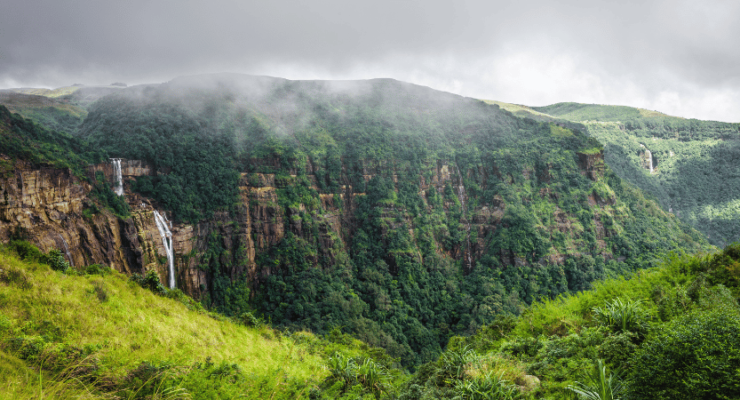
If you enjoyed exploring Uttarakhand, you will also love Cherrapunji — one of the wettest places on Earth, nestled in Meghalaya.
Many people know Rishikesh only for yoga, but the town offers much more. You can start your morning with meditation by the river, spend the day rafting through rapids, walk to old temples in the evening, and end with the Ganga Aarti at Triveni Ghat in the Rishikesh yoga capital or Parmarth Niketan. It is rare to find a destination where spiritual tradition and outdoor adventure coexist so naturally.
This guide is designed to help you plan Rishikesh properly. It covers where to stay, what to do, what to avoid, how much to budget, and how to build a practical itinerary. Whether you are visiting for two days, one week, or a month-long yoga retreat, this article will give you a clear and useful roadmap.
Why Rishikesh Is the Yoga Capital
Rishikesh is widely called the Yoga Capital of the World because of its deep association with yoga schools, ashrams, and spiritual learning centers. Its international image became even stronger after The Beatles visited Maharishi Mahesh Yogi’s ashram in the late 1960s. Since then, travelers from around the world have continued to visit for yoga teacher training, meditation retreats, and spiritual exploration.
But beyond global branding, the deeper reason Rishikesh matters is the river culture of the town. The Ganga is not just scenic here; it shapes daily life, rituals, local identity, and pilgrim movement. Morning chants, temple ceremonies, and evening aartis are not staged attractions; they are regular community practices. This gives Rishikesh an authenticity that many over-commercialized tourist towns do not have.
At the same time, Rishikesh is one of India’s top hubs for white-water rafting, camping, and light trekking. This creates a unique travel experience: you can live slowly and reflectively, or fill your day with high-energy activities, depending on your mood and goals.
Areas of Rishikesh Yoga Capital
First-time visitors often get confused because “Rishikesh” is not one single zone. Different areas feel very different, and choosing the right base can make your trip much better.
Tapovan and Lakshman Jhula side: This is the most popular area for yoga students, backpackers, and cafe-hoppers. It has many hostels, guesthouses, work-friendly cafes, and yoga studios. Streets are busy, but the atmosphere is youthful and convenient.
Ram Jhula and Swarg Ashram side: This zone is calmer and more spiritual. You will find many ashrams, temples, and sattvic food options. It suits travelers who want quieter mornings, temple access, and a slower pace.
Triveni Ghat and old town: This area is culturally rich and less polished for tourism. It gives you a more local view of daily life. The evening aarti at Triveni Ghat is one of the main highlights here.
Shivpuri and Byasi: These are outside central Rishikesh and ideal for rafting camps and adventure travel. If your focus is outdoor activities, this zone can be a better stay option than staying in town.
Best Time to Visit Rishikesh Yoga Capital
October to March: This is the best overall season. Weather is comfortable, skies are clear, and outdoor activities are enjoyable. Morning and evening can be cold in peak winter, so carry warm layers.
April to June: Days are warmer, but mornings and nights are still pleasant. This is good for rafting and short treks. It can get crowded with summer vacation traffic.
July to September (monsoon): The town turns green and beautiful, but heavy rain can disrupt plans. Rafting is usually restricted in peak monsoon due to river conditions. If you visit in this season, keep a flexible itinerary.
Top Things to Do in Rishikesh Yoga Capital
1. Attend Ganga Aarti
Do not leave Rishikesh without attending at least one evening Ganga Aarti. The two most popular places are Parmarth Niketan (Ram Jhula side) and Triveni Ghat. Parmarth Niketan is more organized and visually grand, while Triveni Ghat often feels more local and traditional. Arrive early, sit quietly, and observe the ceremony respectfully.
2. Cross Ram Jhula and Lakshman Jhula
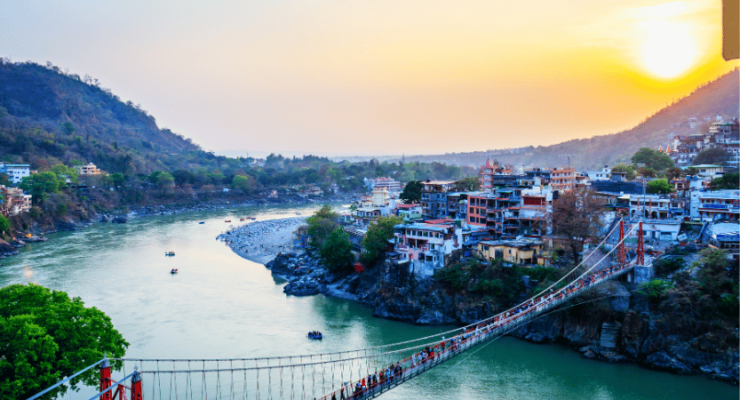
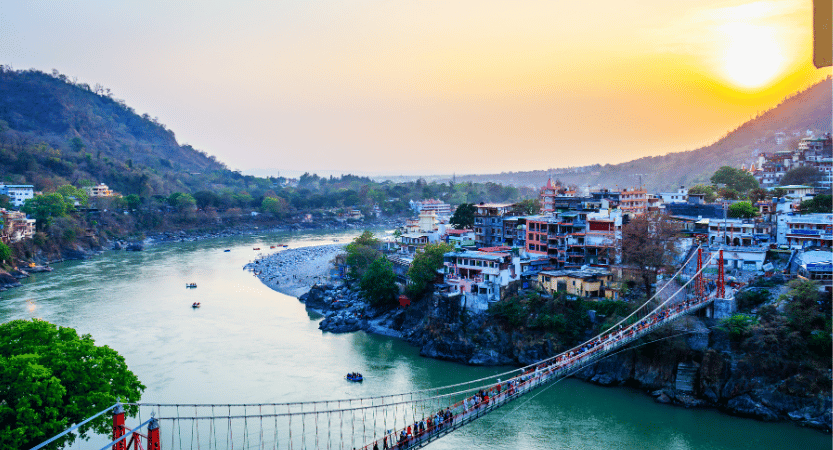
These suspension bridges are among the most recognizable symbols of Rishikesh. Walking across them gives great views of the river and surrounding hills. They are also practical connectors between neighborhoods. You will find cafes, shops, and temples around both bridge zones.
3. Explore Yoga and Meditation Sessions
Even if you are not doing a full teacher training course, attend at least a few drop-in yoga classes. Choose schools with trained instructors, clean studios, and small batch sizes. Morning classes are usually best for beginners. Many centers also offer guided meditation, pranayama, and chanting sessions.
4. Visit The Beatles Ashram
Officially known as Chaurasi Kutia, this abandoned ashram complex is now a major cultural attraction. It has graffiti art, old meditation domes, and forest pathways. It is peaceful in early morning and good for photography, but go with realistic expectations: it is more atmospheric and historical than glamorous.
5. Try River Rafting (in open season)
Rishikesh is one of India’s best rafting destinations. Routes vary by starting point and rapid grade, so beginners and experienced rafters can both find suitable options. Always choose licensed operators with proper safety gear, experienced guides, and clear briefing standards. Do not compromise on safety to save a small amount of money.
6. Visit Neelkanth Mahadev Temple
This famous Shiva temple is located in the hills above Rishikesh. You can reach it by road or through trekking routes depending on your fitness and preference. The route is scenic, and many travelers combine this visit with a half-day excursion from town.
7. Spend Time at Triveni Ghat in the Morning
Most people go only in the evening for aarti, but morning at Triveni Ghat offers a calmer, more reflective experience. You can observe local rituals, early temple visits, and quieter riverfront life before crowds build up.
3-Day Rishikesh Yoga Capital Itinerary
Day 1: Arrival and Spiritual Orientation
Check in near Tapovan or Ram Jhula depending on your travel style. Keep the first half of the day light, walk around local lanes, and settle into the pace of the town. In the evening, attend Ganga Aarti at Parmarth Niketan or Triveni Ghat. Have an early dinner and rest.
Day 2: Adventure and River Experience
Start early with yoga or a short meditation class. After breakfast, head for rafting (if season allows) from Shivpuri or another suitable stretch. Return by afternoon, relax at a riverside cafe, and spend sunset at a bridge viewpoint. Keep this day physically active but hydrated and balanced.
Day 3: Culture, History, and Slow Exploration
Visit The Beatles Ashram in the morning, then explore nearby temples and local markets. If you have time and energy, plan a half-day visit to Neelkanth Mahadev Temple. Finish your trip with a final quiet walk by the river and a simple local dinner.
5-7 Days in Rishikesh Yoga Capital
Add one full-day yoga workshop, one nearby trek, one relaxed cafe work day, and one day trip toward waterfalls or hill villages. Extra time in Rishikesh is best used slowly. Do not over-schedule every hour. The town rewards unhurried travel.
Where to Stay in Rishikesh Yoga Capital
Budget travelers: Tapovan has many hostels and affordable guesthouses with social atmosphere and easy cafe access.
Mid-range travelers: Choose boutique stays or clean hotels near Ram Jhula, Tapovan, or upper Lakshman Jhula areas.
Retreat-focused travelers: Book ashram stays or yoga school accommodation with meal plans and daily schedules.
Adventure travelers: For rafting-heavy plans, consider camps and stays around Shivpuri or Byasi.
Before booking, check three things carefully: walking distance to your activity areas, availability of hot water in winter, and power backup if you need to work remotely.
Food in Rishikesh Yoga Capital: What to Expect
Rishikesh is known for vegetarian food due to its spiritual character. You will find North Indian thalis, Ayurvedic meals, international cafe menus, smoothie bowls, and sattvic cuisine. Alcohol and non-vegetarian food are restricted in many parts of town, so plan accordingly.
Try simple local meals when possible. Heavy cafe food every day can feel tiring, especially if you are attending yoga sessions. Keep one reusable water bottle and refill at trusted filtered-water points to reduce plastic waste.
Adventure Activities in Rishikesh Yoga Capital
Adventure tourism is a major reason many travelers visit Rishikesh. Popular activities include rafting, bungee jumping, giant swing, flying fox, kayaking (for trained participants), and trekking. These can be memorable if done responsibly.
Follow these safety principles:
- Book only with reputable operators who provide certified guides and quality equipment.
- Check weather and river conditions before rafting.
- Do not ignore briefing instructions, even for short activities.
- Avoid adventure activities if you have untreated medical conditions.
- Wear proper footwear and avoid risky selfies near cliff edges or fast currents.
Transport Guide: Reaching Rishikesh Yoga Capital
By air: The nearest airport is Dehradun (Jolly Grant), around 20-25 km from Rishikesh depending on your drop point.
By train: Rishikesh has a rail connection, but many long-distance travelers arrive via Haridwar and continue by taxi or bus.
By road: Frequent buses and private cabs operate from Delhi, Dehradun, and nearby cities.
Inside town, walking and two-wheeler rides are often the easiest options because roads can get crowded. Auto-rickshaws are available but may not always be ideal in narrow lanes during peak times.
Budget Planning: Rishikesh Yoga Capital Travel Costs
Backpacker budget: Basic hostel, local meals, and selective paid activities can keep costs controlled.
Comfort budget: Private room, cafe dining, yoga classes, and one or two premium activities will raise daily cost but improve convenience.
Retreat budget: Yoga teacher training or structured retreats often include accommodation and meals, but require higher upfront planning.
Your biggest cost variables are stay category and adventure activities. If you plan rafting, bungee, and private cabs together, budget for them in advance instead of deciding impulsively on site.
Common Mistakes in Rishikesh Yoga Capital
- Trying to do too many activities in two days and ending the trip exhausted.
- Booking random rafting operators without checking safety standards.
- Ignoring weather seasonality, especially during monsoon months.
- Choosing stay locations far from planned daily activities.
- Assuming Rishikesh is only a party or only a spiritual destination; it is both layered and diverse.
Responsible Travel in Rishikesh Yoga Capital
Rishikesh is not just a tourist town. It is also a pilgrimage and spiritual center for many communities. Respectful travel improves everyone’s experience and protects local culture.
- Dress modestly around temples and ashram areas.
- Maintain silence where prayer and meditation are in progress.
- Avoid littering near riverbanks and ghats.
- Ask before photographing rituals or individuals.
- Support local businesses that follow ethical and sustainable practices.
Who Should Visit Rishikesh Yoga Capital?
Ideal for: yoga learners, wellness travelers, soft-adventure seekers, spiritual explorers, solo travelers, and remote workers who enjoy mountain-river environments.
Less ideal for: travelers expecting luxury nightlife, high-speed urban convenience, or fully polished city infrastructure. Rishikesh is rewarding, but it works best when you travel with patience and openness.
Conclusion: Visit the Rishikesh Yoga Capital
Rishikesh is one of India’s most versatile destinations. It can be deeply spiritual, physically adventurous, or quietly restorative depending on how you design your trip. What makes it memorable is not one famous spot, but the overall rhythm: river mornings, temple evenings, mountain air, and meaningful pauses in between.
If this is your first visit, keep your plan simple: choose a good area to stay, attend at least one aarti, try one yoga session, and explore one adventure activity with proper safety. Give yourself time to walk, observe, and absorb the place instead of rushing through a checklist.
When planned thoughtfully, Rishikesh offers more than a vacation. It gives you a reset in mindset, pace, and perspective. That is why so many travelers visit once and return again.
Rishikesh Yoga Capital: Frequently Asked Questions
What is the best time to visit Rishikesh?
The best time to visit Rishikesh is from September to November and February to May. Avoid the monsoon season (July-August) due to heavy rainfall and the summer months (June) when temperatures can exceed 45°C. October offers pleasant weather and fewer crowds after the festive season.
How many days do you need in Rishikesh?
A minimum of 2-3 days is recommended to cover the main attractions. For a more relaxed experience including yoga sessions, river rafting, and nearby excursions like Neelkanth Mahadev Temple or the Beatles Ashram, plan for 4-5 days. Adventure enthusiasts may want a full week for trekking and camping.
Is Rishikesh safe for solo travelers?
Yes, Rishikesh is generally very safe for solo travelers. It is a spiritual destination with a large international tourist community. The main areas around Ram Jhula and Lakshman Jhula are well-lit and populated. Standard travel precautions apply — keep valuables secure and be mindful during late-night walks near the river.