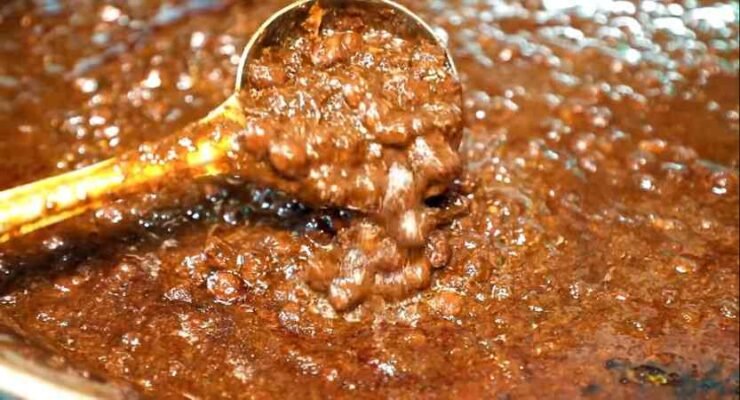

Chole Is Not Originally Indian, But India Made It Its Own
The chole has a fascinating journey. Few dishes in India create the same emotional response as chole. For many families, chole with rice, kulcha, or bhature is not just food; it is memory, comfort, and celebration. Sunday lunches, train journeys, college canteens, wedding buffets, roadside stalls, and iconic city eateries all carry their own version of this dish. It is now deeply woven into Indian food culture.
Thank you for reading this post, don't forget to subscribe!
But the historical story is more interesting than most people realize. Chickpea cultivation and early chickpea-based food traditions trace back to regions outside India — this legume were cultivated, especially areas of the Fertile Crescent and Mediterranean world. Over centuries, ingredients, trade routes, migration, and local culinary innovation brought chickpea traditions into South Asia. India did not merely adopt chole; it transformed and regionalized it so deeply that today it feels unquestionably Indian.
This article explores the its history that journey in detail: the origin of chickpeas, how chole became central to Punjabi and North Indian cuisine, why local water and spice blends matter, and why this dish is one of the best examples of how cultures absorb and reinvent food.
its history: A Global Ingredient
Archaeological evidence suggests that chickpeas were domesticated thousands of years ago in regions associated with the Fertile Crescent. From there, chickpeas spread across trade routes into Europe, North Africa, and Asia. Like many staple ingredients in global food history, chickpeas traveled with merchants, empires, and migration rather than remaining tied to one nation forever.
When chickpeas entered the Indian subcontinent in expanded agricultural patterns, they adapted extremely well to local farming systems and dietary preferences. Over time, India became one of the world’s largest producers and consumers of chickpeas. This is a key point: even if an ingredient has external origin, cultural ownership evolves through continuous local cultivation, recipe development, and social adoption.
Today, chickpeas are integrated into Indian home cooking, temple food traditions, street food, and restaurant menus. That level of integration is not accidental. It is the result of centuries of culinary adaptation.
How Chole Became a North Indian Staple
Among all Indian regions, Punjab played a major role in shaping the modern identity of the dish. The Punjabi culinary style developed robust masala profiles, layered cooking methods, and meal pairings that made chole deeply satisfying and widely repeatable in homes and eateries.
As Punjabi communities migrated and businesses expanded, the dish-based dishes spread to Delhi, Haryana, Himachal, Uttar Pradesh, and eventually to almost every major Indian city. What began as a strong regional signature became a national comfort food category.
The rise of urban street food culture accelerated this process. Chole was practical for vendors, affordable for customers, and highly customizable by spice level, toppings, and accompaniments. Over time, people built emotional and identity-based connections with specific styles: Delhi chole bhature, Amritsari chole, kulcha-chole lanes, and home-style chole chawal.
Why It Tastes Different Across Regions
People often ask why chole from one city tastes very different from another, even when ingredients appear similar. The answer usually lies in four factors: water, spice ratio, fat medium, and cooking time.
1. Water Quality and Mineral Profile
Local cooks have always said that water changes taste. This is not just folklore. Water mineral composition affects boiling behavior, extraction of flavor compounds, and texture softening in legumes. In long-simmered dishes like chole, this difference becomes noticeable.
2. Regional Spice Logic
Some kitchens prefer tang-forward profiles using dry mango powder (amchur) or anardana. Others use tea infusion for darker color and deeper earthiness. Some favor garam masala heat at the end, while others build aroma through whole spices in oil at the beginning.
3. Oil/Ghee Balance
Texture and mouthfeel change significantly depending on whether cooks use mustard oil, refined oil, desi ghee, or mixed fat approaches.
4. Cooking Method
Pressure-cooked, slow-cooked, and rested chole all taste different. Resting time after cooking often improves flavor integration dramatically.
Three Popular Pairings You Should Try
Chole Bhature
This is perhaps the most famous commercial pairing. Soft, puffed, deep-fried bhature paired with rich, spiced chole create a high-energy meal known for indulgence and flavor intensity. It is especially iconic in Delhi and Punjab.
Chole Kulche
Compared to bhature, kulche pairings often feel lighter and more street-oriented. The contrast of chewy or crisp kulcha with spicy chole, onions, chutney, and masala makes it a favorite across markets and food lanes.
Chole Chawal
This is the comfort version for many households. Chole with steamed rice offers a balanced and filling meal that can be adjusted for family spice preference. It is also one of the most common weekly meal patterns in North Indian homes.
What Makes a Great Recipe
Great chole is not about one secret ingredient. It is about balanced layering and timing. Key building blocks include:
- Legume quality: Chickpea size, freshness, soaking quality.
- Base masala: Onion-ginger-garlic depth, tomato balance, spice roast quality.
- Acidity: Controlled tang via amchur, tamarind, anardana, or tomato acidity.
- Body: Mash ratio and starch release to build gravy consistency.
- Finish: Fresh coriander, julienned ginger, slit chilies, and final fat bloom.
In professional kitchens, consistency is maintained by process control: fixed soak times, standard masala batches, controlled boil stages, and calibrated final seasoning.
Regional Variations Across India
India has no single chole recipe. There are many family and regional variants:
- Amritsari style: darker color, strong spice depth, often tea/whole spice influence.
- Delhi style: bold street profile, often tangy and aggressively seasoned.
- Home-style North Indian: softer spice curves, more comfort-focused, less oil-heavy.
- Dry chana style for kulcha carts: reduced gravy, stronger masala cling.
None of these is “the only authentic” version. Authenticity in food is often contextual, linked to community memory and local practice.
Street Food Culture: Iconic Chole Eateries
In many cities, famous chole shops are community institutions. People do not visit them only for hunger; they visit for nostalgia, ritual, and social connection. Morning queues at old shops, weekend family drives for chole bhature, and neighborhood-level loyalty to specific vendors all show how deeply the dish is embedded in urban culture.
Street vendors also innovate constantly with toppings, pickle pairings, chutney combinations, and texture balancing. This dynamic innovation keeps chole alive as a living food tradition, not a frozen legacy dish.
Is It Healthy? — A Nutrition Perspective
Chickpeas are rich in plant protein, fiber, and micronutrients, making chole nutritionally valuable when prepared in balanced ways. However, health impact depends on cooking style and pairings.
- Chole with rice and moderate oil can be a balanced meal.
- Chole with deep-fried bhature is delicious but heavier.
- High sodium and excess oil in commercial versions can reduce health benefits.
For home cooking, small adjustments like less oil, better portion control, and fiber-rich sides can make chole both enjoyable and nutritionally practical.
Common Myths Worth Busting
Myth 1: If chickpea is not Indian in origin, chole is not Indian.
Reality: Food identity is shaped by long-term cultural adaptation, not only botanical birthplace.
Myth 2: Only one city has authentic chole.
Reality: Multiple regional authenticities exist with different but valid culinary logic.
Myth 3: Darker chole always means better quality.
Reality: Color reflects method, not guaranteed quality. Balance and flavor integration matter more.
Why Chole Is a Perfect Example of India’s Food Identity
Indian cuisine has always evolved through exchange, adaptation, and regional creativity. Many ingredients now considered local classics traveled through centuries of trade and migration. What matters is how communities integrated those ingredients into their culinary systems and made them meaningful in daily life.
Chole represents this process beautifully. It came from a larger global ingredient history, then found one of its strongest expressions in India, especially in Punjabi and North Indian kitchens. The result is not imitation. It is reinvention at scale.
How to Experience It: Practical Tips
If you are exploring chole across cities, use this practical approach:
- Try at least one home-style and one street-style version.
- Compare pairings: bhature vs kulcha vs rice.
- Observe garnishes and acidity style.
- Ask local vendors about their masala logic.
- Taste slowly; note texture, spice curve, and finish.
This makes food travel more meaningful than just rating dishes by heat level.
Home Cooking Strategy
If you cook at home, three improvements make a big difference:
- Soak chickpeas properly and cook until soft, not just edible.
- Cook masala long enough to remove raw notes and develop depth.
- Rest the dish before serving so flavors integrate fully.
These steps matter more than adding too many spice powders.
Conclusion: A Dish That Transcended Borders
Hmmnm explores many such cultural topics. The its history reveals that chole may not have started in India as an ingredient story, but India gave it one of its most complete cultural identities. Through agriculture, regional techniques, family recipes, street innovation, and emotional memory, chole became fully rooted in Indian life.
This is exactly how great food cultures work. They absorb, transform, and create something new that belongs to the people who cook and eat it every day. Chole is therefore not just “borrowed.” It is owned through tradition, practice, and love.
Whether you prefer chole bhature, chole kulche, or chole chawal, one thing is clear: this dish is now an essential part of India’s culinary self-expression.