Cherrapunji Unplugged: A Complete Guide to Meghalaya’s Rain-Washed Paradise
Cherrapunji travel guide: Cherrapunji, also known as Sohra, is one of the most extraordinary destinations in India. Located in Meghalaya’s East Khasi Hills, it is famous for dramatic cliffs, deep valleys, living root bridges, caves, and powerful waterfalls. Most travelers first hear about Cherrapunji because of rainfall records, but the place offers much more than weather trivia.
Thank you for reading this post, don't forget to subscribe!
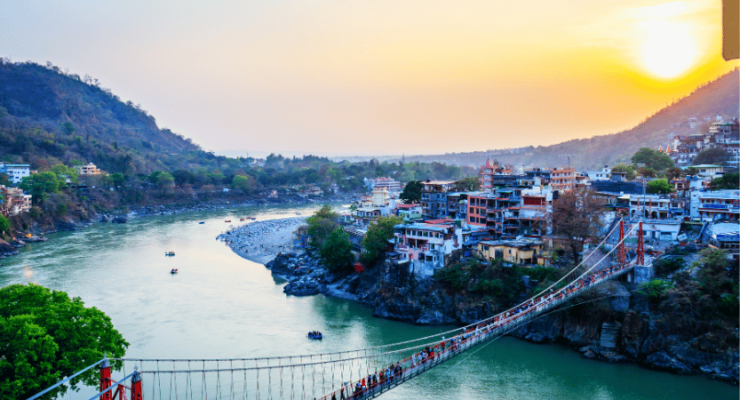
For another unforgettable Indian destination, read our complete travel guide to Rishikesh — the yoga capital of the world.
This is a destination where geography, biodiversity, and indigenous Khasi culture come together in a rare way. You can trek through thick forest, cross natural root bridges built over generations, watch waterfalls plunge into wide gorges, and end the day with a quiet mountain sunset. Cherrapunji is not about fast sightseeing. It is about immersive nature travel.
This guide is designed to help you plan well: best season, transport options, major attractions, realistic itineraries, safety tips, budget guidance, and responsible travel practices.
Cherrapunji Travel Guide: Why Cherrapunji Is Special
Cherrapunji’s uniqueness comes from terrain and climate interaction. Moisture-laden monsoon winds rise from the plains and hit the Khasi hills, creating heavy rainfall and year-round lushness. This ecological pattern supports dense vegetation, waterfalls, caves, and river systems that shape the region’s identity.
But natural beauty is only one part of the story. Khasi communities in this region developed remarkable ecological adaptation practices, including the world-famous living root bridges. These are not decorative structures. They are functional bio-engineered pathways built by guiding tree roots over decades. The bridges symbolize long-term thinking and sustainable coexistence with nature.
Best Time to Visit Cherrapunji
October to May is generally the best time for travel if you want clearer views, easier road movement, and more predictable outdoor exploration.
- October to December: crisp weather, greener landscapes after monsoon, good waterfall flow.
- January to March: cooler mornings, clearer skies, excellent for trekking and viewpoint photography.
- April to May: pleasant temperatures, occasional pre-monsoon rain, good for nature walks.
June to September (monsoon) offers dramatic rain scenery but comes with slippery trails, reduced visibility, and occasional transport disruptions. Visit in monsoon only if you are comfortable with weather uncertainty and slower movement.
How to Reach Cherrapunji
By air: The nearest major airport is in Guwahati. Shillong Airport has limited connectivity and may not be convenient for all routes. Most travelers land in Guwahati and continue by road.
By train: Guwahati is the nearest major railhead with strong national connectivity.
By road: Cherrapunji is well connected to Shillong and Guwahati by road. The route is scenic and usually takes several hours depending on weather and traffic. Shared cabs, private taxis, and hired vehicles are common options.
Practical note: hill roads include curves, changing weather, and occasional fog. If you are not used to mountain driving, hiring an experienced local driver is safer and less stressful.
Cherrapunji Travel Guide: Top Places to Visit
1. Double Decker Living Root Bridge (Nongriat)
This is one of the most iconic experiences in Meghalaya. Reaching it requires a physically demanding trek with long stair sections. The effort is significant, but the reward is exceptional. You pass through villages, suspension bridges, and dense greenery before reaching the layered living root bridge near Nongriat.
Start early, carry water, wear good grip shoes, and pace yourself. Many travelers underestimate the return climb, which is often harder than descent.
2. Nohkalikai Falls
Nohkalikai Falls is among the tallest plunge waterfalls in India and one of the most visually striking spots near Cherrapunji. During high-flow periods, the drop and mist are dramatic; in drier months, visibility and gorge views can be better. The viewpoint area is generally accessible and suitable for most visitors.
3. Mawsmai Cave
Mawsmai Cave is one of the easiest cave experiences in the region and suitable for first-time cave visitors. You will see limestone formations, narrow passages, and naturally sculpted interiors. It is short but memorable, especially for travelers who want cave exposure without extreme technical difficulty.
4. Eco Park
Eco Park offers landscaped viewpoints and wide valley views, especially on clear days. It is a good stop for relaxed walks, family visits, and broad landscape photography.
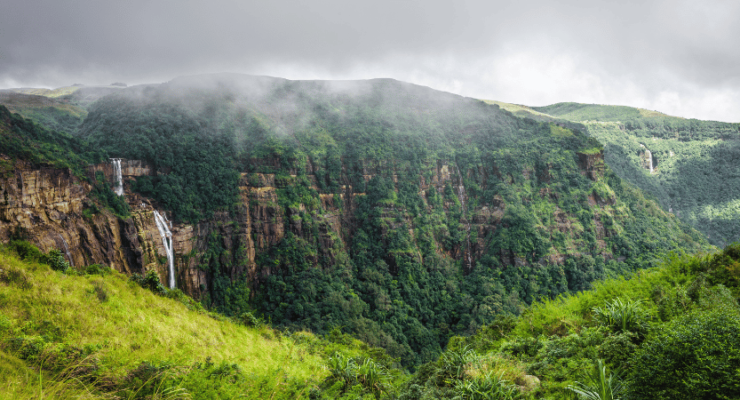
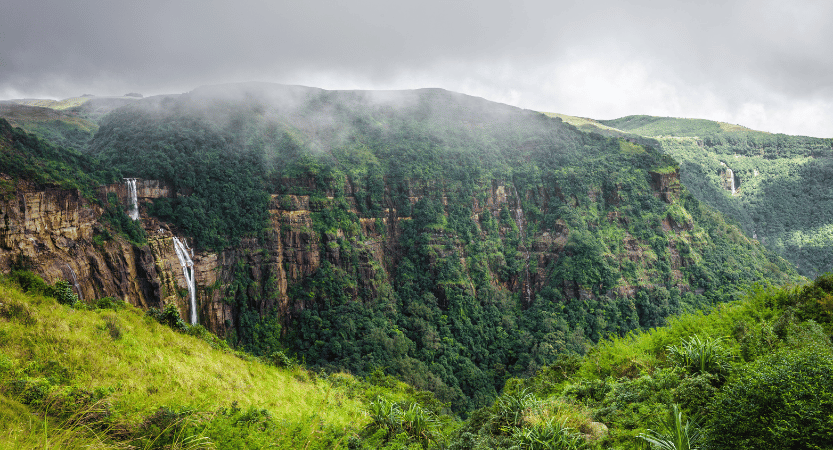
5. Seven Sisters Falls Viewpoint
This viewpoint is known for seasonal waterfall display across layered cliffs. Best visual impact usually appears when water flow is strong after rain periods.
6. Dawki and Umngot River (Day Extension)
Though not inside central Cherrapunji, Dawki is often combined in Meghalaya itineraries. The clear water of Umngot River and boating experience attract many visitors. Plan this as a separate day due to travel time.
Cherrapunji Travel Guide: 3-Day Itinerary
Day 1: Arrival + Viewpoints + Waterfall Circuit
Arrive from Shillong/Guwahati, check in, and visit Nohkalikai Falls, nearby viewpoints, and Eco Park. Keep first day moderate to acclimatize to hill pace.
Day 2: Nongriat Trek (Double Decker Root Bridge)
Start early for the trek. Carry light essentials only: water, electrolytes, rain layer, snacks, basic first aid. Return by evening and rest.
Day 3: Cave + Local Exploration + Departure
Visit Mawsmai Cave and nearby scenic points. Explore local market areas for regional products. Depart toward Shillong or continue deeper into Meghalaya circuit.
If You Have 5-6 Days
Add slower nature exploration with nearby villages, additional treks, Dawki extension, and rest windows. Meghalaya travel is best when paced thoughtfully rather than rushed through checklist tourism.
Cherrapunji Travel Guide: Where to Stay
Accommodation includes guesthouses, homestays, mid-range hotels, and eco-resorts. Choose based on your travel style:
- Budget: local guesthouses and simple homestays
- Comfort: mid-range properties with better road access
- Nature-focused: stays closer to valley edges or village zones
Before booking, check road accessibility, hot water availability, mobile network reliability, and meal timing because some properties have fixed dinner hours.
Cherrapunji Travel Guide: Food and Local Taste
Cherrapunji has a mix of local Khasi food and common Indian meal options. In smaller properties, meal menus may be limited but fresh. If you want broad variety, plan major meal stops around larger town clusters or pre-order meals at your stay.
Carry basic travel snacks for long sightseeing days, especially on trek-heavy routes.
Trekking and Adventure Guidance
Cherrapunji is not a high-altitude expedition zone, but trails can still be demanding because of stairs, moisture, and slippery sections. Follow these basics:
- Use proper trekking shoes with grip.
- Carry rain protection even in dry season (weather can shift).
- Do not overestimate pace; preserve energy for return ascent.
- Avoid risky edge photography in wet conditions.
- Respect local instructions at bridges and village paths.
Photography Tips
Cherrapunji is highly photogenic, but weather changes quickly. For best results:
- Start early for clearer visibility windows.
- Use lens cloths and rain covers for equipment.
- Expect mist and low contrast in monsoon; compose for mood rather than distance clarity.
- At viewpoints, be patient. Cloud movement can reveal dramatic frames within minutes.
Estimated Budget Planning
Budget depends on transport mode and stay category.
- Budget trip: shared transport + basic stay + moderate activity
- Comfort trip: private cab + better stay + flexible sightseeing
- Adventure-heavy trip: additional guide support, extended treks, and custom transport
The biggest cost factors are intercity road transport and private vehicle usage.
Common Mistakes in This Cherrapunji Travel Guide
- Underestimating trek effort to Nongriat
- Poor footwear choice for wet terrain
- Overpacking day routes and tiring too early
- Ignoring weather forecasts in monsoon periods
- Rushing through major viewpoints without buffer time
Responsible Travel in Cherrapunji
As this Cherrapunji travel guide emphasizes, this region is ecologically sensitive and culturally rich. Responsible behavior matters.
- Do not litter on trails, caves, or water bodies.
- Avoid plastic-heavy travel habits; carry reusable bottles where feasible.
- Respect village pathways and local property boundaries.
- Ask before photographing people in community spaces.
- Support local guides, homestays, and small food vendors where possible.
Cherrapunji Travel Guide: Quick Packing Checklist
- Waterproof jacket and quick-dry layers
- Trekking shoes with grip
- Small daypack and hydration bottle
- Basic medicines and band-aids
- Power bank and offline maps
- Extra socks and protective footwear for wet trails
Culture and Community Etiquette
Travel in Meghalaya becomes richer when you engage respectfully with local communities. Cherrapunji and nearby villages are part of living social and cultural systems, not just tourist backgrounds. A little awareness goes a long way in creating positive travel impact.
The Khasi community has strong social traditions, local governance practices, and deep ecological knowledge. Visitors should avoid treating local spaces as performance zones for social media. Ask before photographing people, avoid interrupting local rituals, and keep noise low in village and trail sections where families live and work.
Many travelers are surprised by how clean several local areas are compared to heavily commercialized destinations. Help maintain that standard by carrying your own trash back if bins are unavailable and avoiding single-use plastic wherever possible. Responsible behavior protects the region and improves the visitor experience for everyone.
Weather Reality: How to Plan Without Getting Stuck
Cherrapunji weather can change quickly even in relatively clear seasons. Morning sunshine can turn into cloud cover, drizzle, or dense fog in a short span. Instead of building a rigid hour-by-hour schedule, plan a flexible day structure with backup options.
A practical approach is to keep one major outdoor activity in the first half of the day and reserve short, less weather-sensitive stops for afternoon. If cloud cover increases, shift to cave visits, local food stops, or village walks rather than pushing risky trail plans. This mindset reduces frustration and prevents avoidable safety issues.
Road movement can also slow down due to visibility and rain. If you have a return train or flight from Guwahati, keep buffer time. Do not plan tight same-day transfers after long Cherrapunji exploration unless your schedule has fallback margin.
Suggested 2-Day Itinerary for Short Trips
Day 1: Arrival and Viewpoint Circuit
Arrive by noon, check in, and begin with Nohkalikai and nearby viewpoints. Move to Eco Park in late afternoon for wider valley views. Keep dinner early and rest properly, especially if you are planning stairs-heavy activity the next day.
Day 2: Cave and Local Exploration
Start with Mawsmai Cave and nearby scenic points. If time allows, include one additional viewpoint stop before departure. This plan works well for travelers with limited leave who still want a meaningful first experience of Sohra.
Suggested 4-Day Itinerary for Balanced Exploration
Day 1
Arrival, relaxed local walk, and nearby viewpoint orientation.
Day 2
Nongriat trek for Double Decker Root Bridge with full-day pacing and early start.
Day 3
Waterfall and cave circuit, photography windows, and optional local market stop.
Day 4
Slow morning, short nature walk, and transfer toward Shillong or next Meghalaya destination.
This 4-day pace is usually better than trying to cover too many locations in 2-3 days. It gives your body time to recover from stair-heavy treks and allows better weather timing for viewpoints.
Hidden Gems and Less-Rushed Experiences
Beyond famous spots, Cherrapunji offers quiet moments that many rushed itineraries miss. Short village walks in early morning, small tea stops with valley views, and non-peak-hour viewpoint visits can become the most memorable parts of your trip.
If you enjoy nature interpretation, spend time observing vegetation changes across trail elevation and moisture zones. You will notice different textures of moss, fern clusters, and water-shaped rock patterns that make this landscape unique. Slow observation often reveals more than long-distance travel hops.
Another underrated experience is simply pausing after rain. Cloud movement through ridges creates changing layers of visibility that transform the same view every few minutes. Cherrapunji rewards patience more than speed.
Family Travel Tips
Families with children or senior travelers can still enjoy Cherrapunji comfortably by selecting accessible attractions and avoiding very strenuous stairs-based routes unless everyone is prepared. Prioritize viewpoints, cave visits with manageable walking, and scenic drives with short breaks.
Keep warm layers, hydration, and light snacks ready in the vehicle. Weather fluctuation can affect comfort quickly, especially for older travelers. Also, start days early to avoid afternoon weather unpredictability and to complete major travel segments in better light.
Connectivity and Remote Work Considerations
If you plan to work remotely during your trip, do not assume high-speed connectivity at every property. Network quality varies by location and weather. Confirm connectivity with your stay before booking and keep backup data options from multiple providers if work calls are critical.
Power backups are also worth confirming. A beautiful mountain stay with unstable electricity may not suit a work-heavy schedule. For mixed leisure-work plans, choose accommodation with proven power backup and dedicated work-friendly common areas.
Local Shopping and Souvenir Ideas
Instead of generic travel souvenirs, look for local food products, handmade items, and region-specific goods sold by community vendors. Buying local helps distribute tourism benefits directly and supports small livelihoods in hill regions.
While shopping, compare quality and ask about product origin. Prefer authentic local goods over mass-produced items that carry little local value. Responsible purchasing is one of the easiest ways travelers can contribute positively.
Conclusion
Cherrapunji is one of India’s most rewarding nature destinations when explored with the right expectations. It is not built for rushed tourism. It is built for immersive travel: cloud-wrapped valleys, rain-fed landscapes, living root architecture, and trail-based discovery.
If you plan with weather awareness, practical pacing, and respect for local ecology, your Cherrapunji trip can become far more than a sightseeing checklist. It can be one of the most memorable mountain-rainforest experiences in the country.
Go prepared, move slowly, and let the landscape do what it does best: surprise you at every turn.
Frequently Asked Questions
Why is Cherrapunji called the wettest place on Earth?
Cherrapunji (Sohra) receives an average annual rainfall of about 11,871 mm, making it one of the wettest places on Earth. Its location in the Khasi Hills creates a funnel effect for the moisture-laden monsoon winds from the Bay of Bengal, causing intense orographic rainfall from June to September.
How do I reach Cherrapunji from Shillong?
Cherrapunji is approximately 54 km from Shillong and takes about 1.5-2 hours by road. Regular shared taxis and private cabs are available from Shillong. The drive itself is scenic, passing through waterfalls, limestone caves, and lush green valleys along the Shillong-Sohra highway.
What are the must-visit attractions in Cherrapunji?
Top attractions include Nohkalikai Falls (India’s tallest plunge waterfall at 340m), Mawsmai Cave (natural limestone cave), Double Decker Living Root Bridge (a 200+ year old bridge made of rubber tree roots), Wei Sawdong Falls, and the Seven Sisters Falls. The root bridges require a moderate trek of 2-3 hours.