Engineering deep dives for builders: MCP and AI-tooling internals, API design and abuse cases, cloud and infrastructure (Terraform, Kubernetes, CI/CD), and the platform-security angles that come with them. Written by the researcher behind Hmmnm – practical, current, and tied to the security practice.
On August 13, 2024, NIST published the final versions of FIPS 203 (ML-KEM), FIPS 204 (ML-DSA), and FIPS 205 (SLH-DSA) — the first formal post-quantum cryptography standards, capping an eight-year open competition and starting the migration clock for RSA and elliptic-curve infrastructure. With harvest-now-decrypt-later collection already threatening long-lived secrets and federal migration timelines targeting the 2030s, enterprises face a decade-scale cryptographic inventory and replacement program. This guide walks the standards, the threat math, and the migration playbook from inventory to hybrid deployment.
In mid-December 2024, unsealed filings in Kadrey et al. v. Meta Platforms alleged the company torrented LibGen’s pirated library while engineers warned it ‘doesn’t feel right’ on corporate laptops, stripped copyright management information with purpose-built scripts, and used a dataset a memo called ‘we know to be pirated’ — with CEO approval over executive objections. The proposed DMCA and CDAFA claims reframe the AI-copyright fight around distribution and concealment rather than fair use alone. This account walks the exhibits, the legal architecture, and the compliance lessons for every AI data program.
How EFB data reaches the cockpit via AIRAC cycles, chart pipelines, connectivity and validation
From AIRAC cycle to cockpit: the complete EFB data pipeline — chart production, ground distribution, connectivity options, sync and version control.
Software types A, B and C and what certification each type needs
Type A, B and C EFB software explained — from document viewers to certified performance tools. How failure effects drive aviation software classes.
On October 9, 2024, the FTC announced a pair of consent orders — Marriott and its Starwood subsidiary — resolving claims that skimped security contributed to the 2014-2018 Starwood intrusions and a 2018 breach affecting over 131 million consumers from which attackers extracted 5.25 million unencrypted passport numbers. The order imposes 20 years of independent assessments and a claims program offering $150 cash orotomy spending on security — close kin to the UK ICO’s £18.4M fine and the states’ $52M settlement. This account traces the 2014→2018 intrusion, the regulatory pile-on, and what a two-decade oversight tail teaches about inherited security debt.
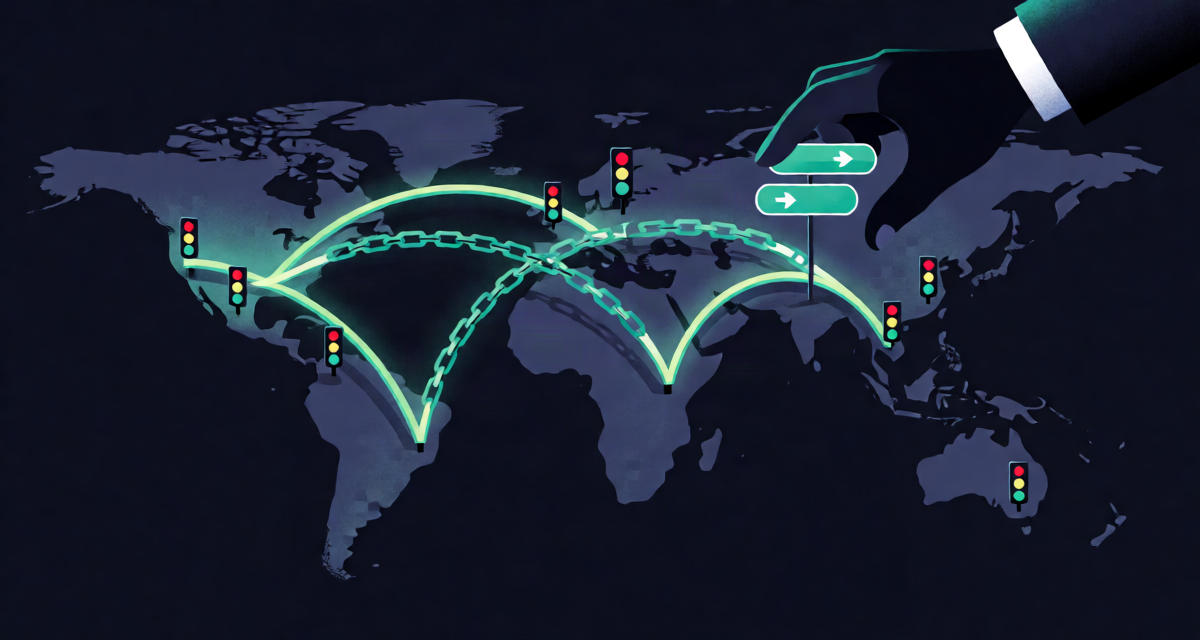
All through 2023, route leaks and suspected BGP hijacks kept redirecting chunks of internet traffic — events touching Rostelecom-linked infrastructure, financial services, and a persistent streak of cryptocurrency-targeting interception paths. None matched the famed mass redirections of prior years, but the pattern of brief, deniable, hard-to-attribute incidents kept routing security in the research headlines. This year-end review explains how BGP trust fails, walks the 2023 incident ledger with appropriately hedged attribution, and covers the defensive state of the art: RPKI signing crossing majority coverage, MANRS norms, and external route monitoring.
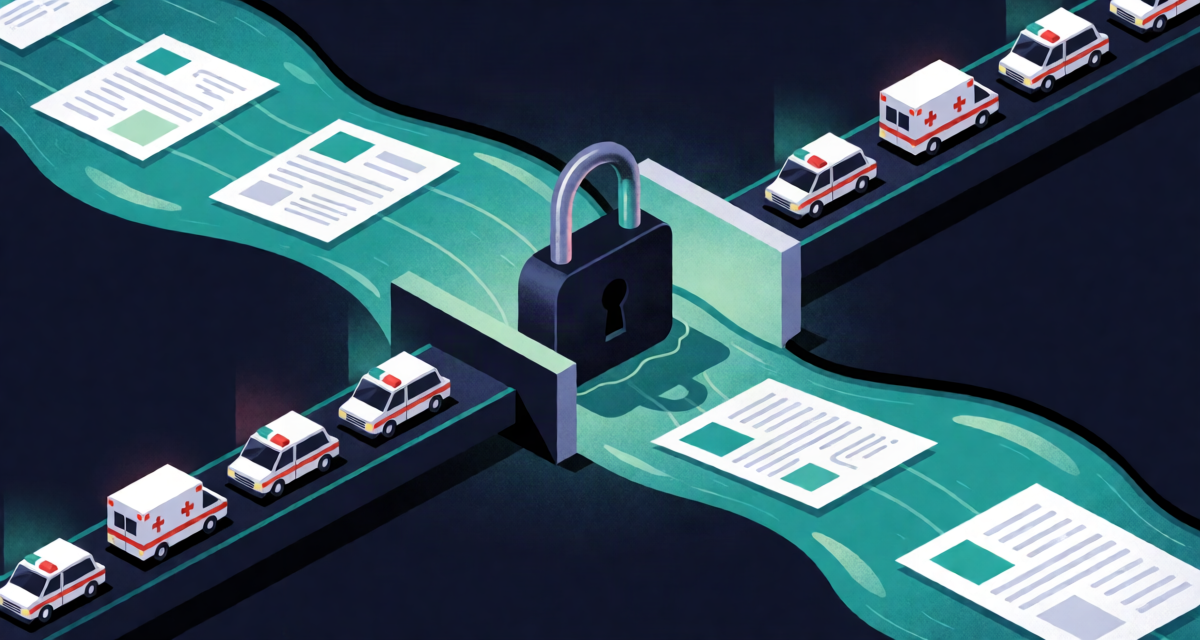
One ALPHV/BlackCat intrusion in February 2024 froze claims and pharmacy payments across US healthcare for weeks — the single most consequential ransomware attack of the year. This account covers the nine-day dwell time, the $22 million ransom payment and the exit-scam double-cross that brought RansomHub back for seconds, the eventual disclosure of hundreds of millions of records, and why one processor’s central position converted a single encryptor into a national healthcare liquidity crisis.
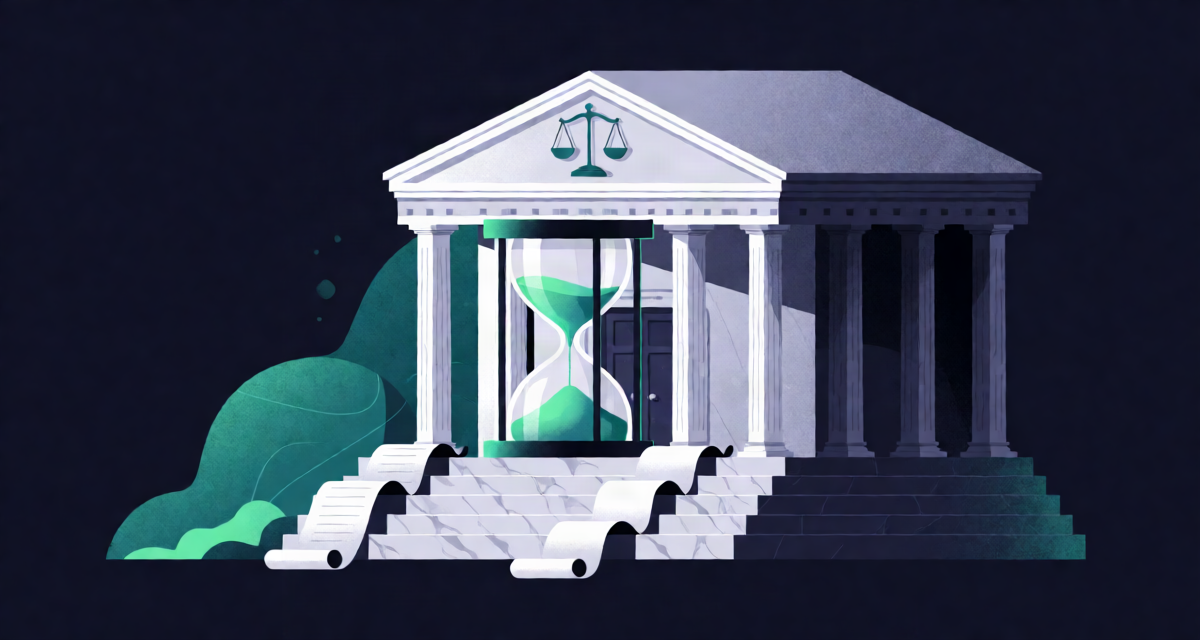
The SEC’s July 2023 cybersecurity rule put public companies on a four-business-day material-incident filing clock — turning breach disclosure into a rehearsed, enforceable, executive-owned security capability.
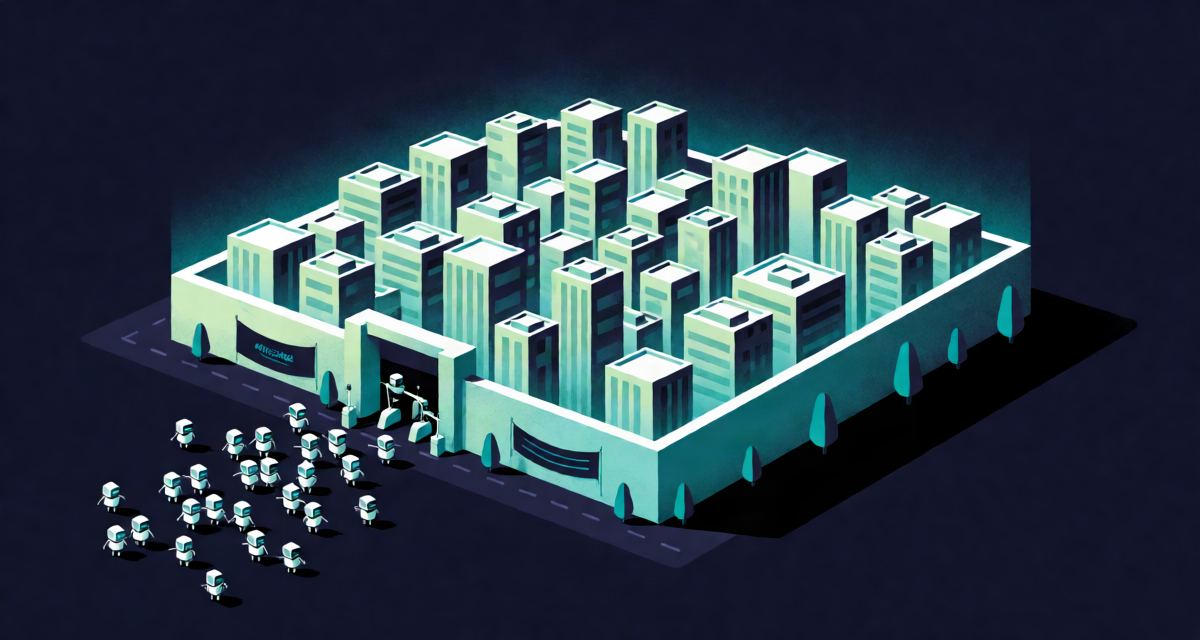
Reddit’s 2023 API repricing killed Apollo and third-party clients, sent 7,000+ subreddits dark in protest, and drew the template for the AI-era data licensing wall.
Hours before tanks rolled, a signed wiper shredded hundreds of Ukrainian networks. The anatomy of the first invasion-synced destructive campaign.
A 2019 contact-import scrape of 533M users hit every phone number to profile, free-dumped in 2021 and still fueling vishing and SIM-swaps today. Why data age barely dents attacker value.
DragonForce’s Backdoor.Turn routes ransomware C2 through Microsoft Teams TURN relays using anonymous visitor tokens — LOTI, living off trusted infrastructure. Why network detection dies and what still works.