OSINT Tradecraft Explained: From Search Engine Dorks to Attribution-Grade Intelligence Pipelines
A practitioner's deep dive into professional OSINT tradecraft: collection layers, infrastructure and identity pivoting, verification discipline, and…

A practitioner's deep dive into professional OSINT tradecraft: collection layers, infrastructure and identity pivoting, verification discipline, and…
Hands-on tutorial: use Shodan, Censys, and ZoomEye to find your exposed assets, fingerprint services, and build a continuous exposure-monitoring pipeline.
Learn how to intercept, replay, and modify live WebSocket messages in OWASP Juice Shop using browser DevTools and a proxy, and what the results teach…
Learn cross-site WebSocket hijacking hands-on: build a vulnerable chat app lab, bypass origin checks with wscat and a browser, then fix it with strict…

A deep dive into avionics data link security: how ACARS and CPDLC work, what Pen Test Partner's 757 research actually showed, and why these attack surfaces remain unresolved a decade later.
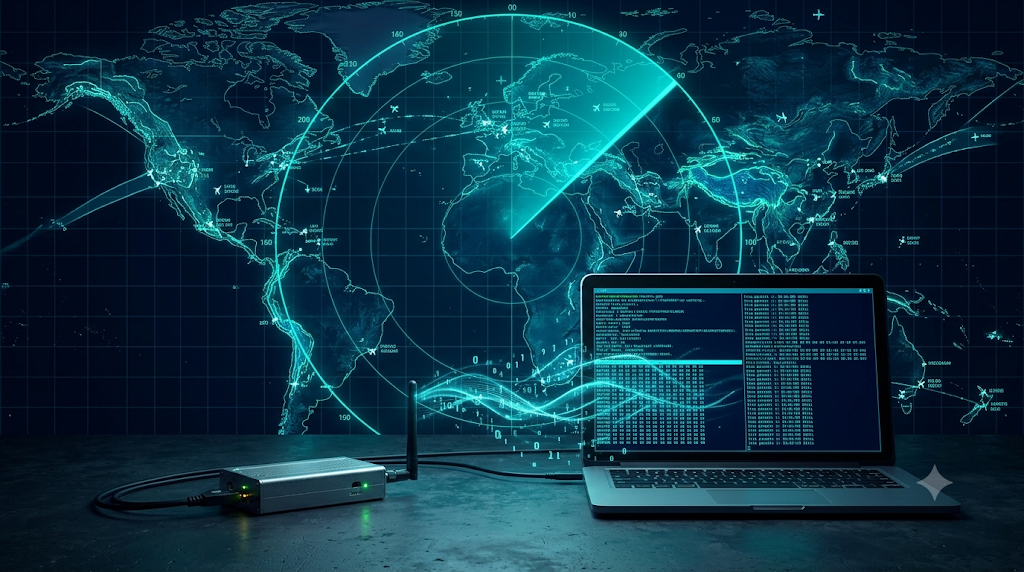
Hands-on lab: capture and decode ADS-B with an RTL-SDR, dump1090, and Wireshark, then safely spoof-test your own feed to see why Mode S lacks authentication.
Build a local MCP server lab and exploit BOLA and IDOR flaws in tool-calling endpoints using Burp Suite. Step-by-step payloads, configs, and defenses for…
A deep dive into modern SOC operations: how alert triage tiers work, why alert fatigue happens, what dwell time really means, and which SOC metrics expose…
Hands-on tutorial: simulate adversary TTPs with Atomic Red Team, capture telemetry in a home lab, then author and tune Sigma rules that actually fire—without alert fatigue.
Build a free home detection lab step by step: install Velociraptor and Elastic Stack on one host, wire in Sigma rules, and test with real detection events.
A hands-on deep dive into SBOMs: SPDX vs CycloneDX, generating SBOMs with Syft, and turning them into actionable vulnerability workflows with Grype and…
A practitioner's guide to NIST's 2024 PQC standards (FIPS 203, 204, 205): how ML-KEM, ML-DSA and SLH-DSA work, hybrid key exchange, and realistic PKI migration risks.