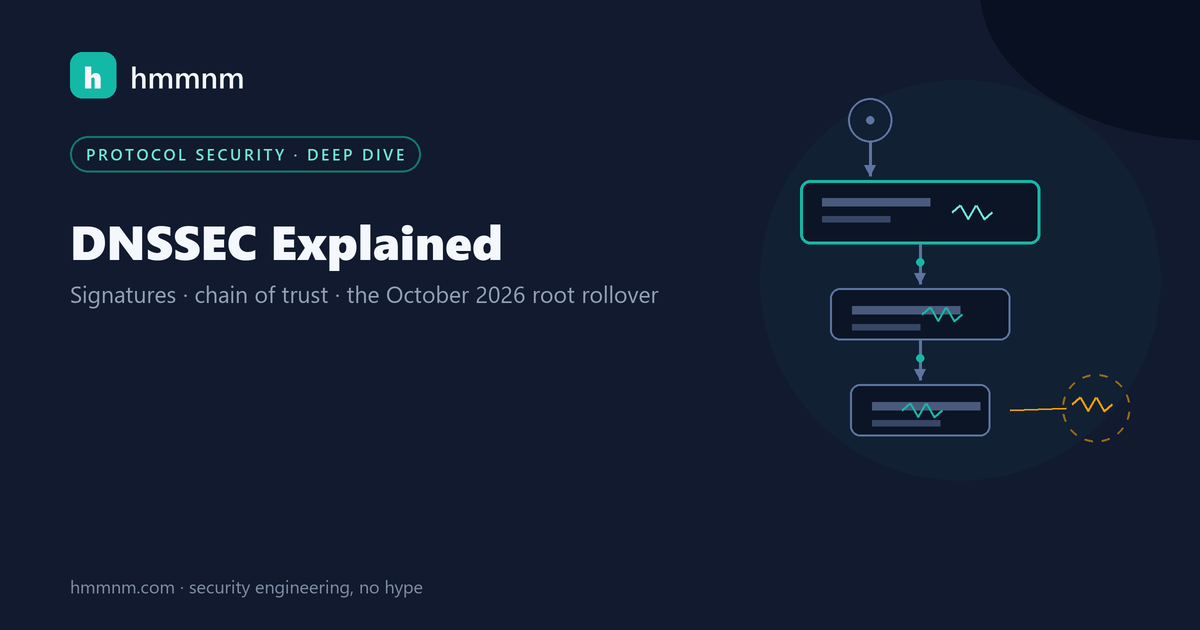
DNSSEC Explained: Chain of Trust, NSEC3 and the October 2026 Root Rollover
How DNSSEC signs the DNS: RRSIG, DS chains anchored at the root, NSEC3 trade-offs, and the KSK rollover landing October 11, 2026.
How DNSSEC signs the DNS: RRSIG, DS chains anchored at the root, NSEC3 trade-offs, and the KSK rollover landing October 11, 2026.
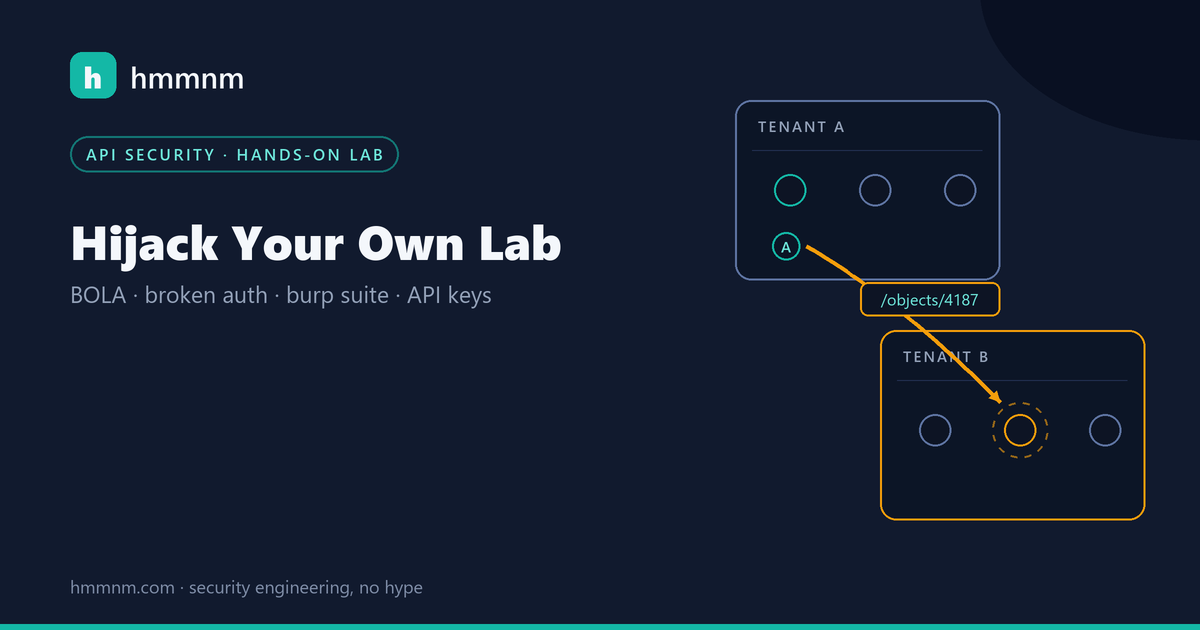
Hijack your own lab: find and exploit BOLA and broken-auth flaws in a vulnerable API using Burp Suite — then learn the authorization checks that actually fix them.
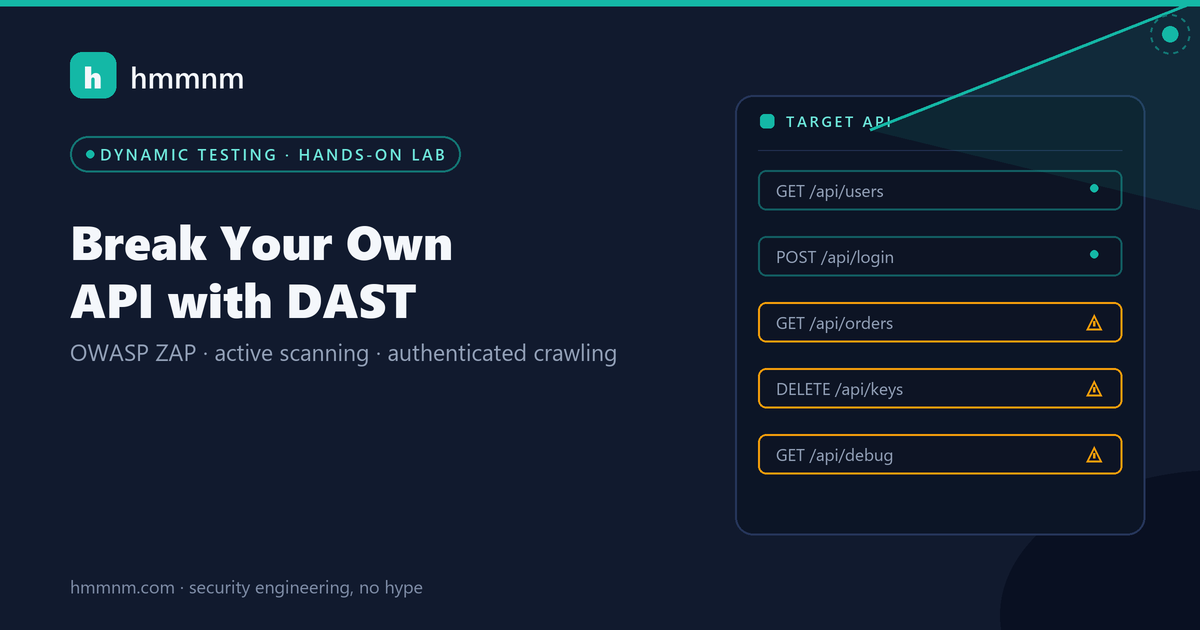
Break your own API with OWASP ZAP: active scanning, authenticated scan contexts and API definitions in a step-by-step DAST lab you can rebuild for any target.
How eBPF runs verified, JIT-compiled programs safely in the Linux kernel — and why networking and security tools bet their stacks on it.
How SSRF turns one forged request into cloud-wide credential theft — the Capital One chain, IMDSv2, and the controls that actually block it.
Decode live aircraft ACARS and VDL2 datalink traffic with about $30 of SDR hardware, acarsdec, dumpvdls2 and Wireshark — a complete hands-on radio lab.

Agentic-AI abuse, the fall 2026 Edge CVE wave and infostealer tradecraft — this week’s defensive priorities in one briefing.
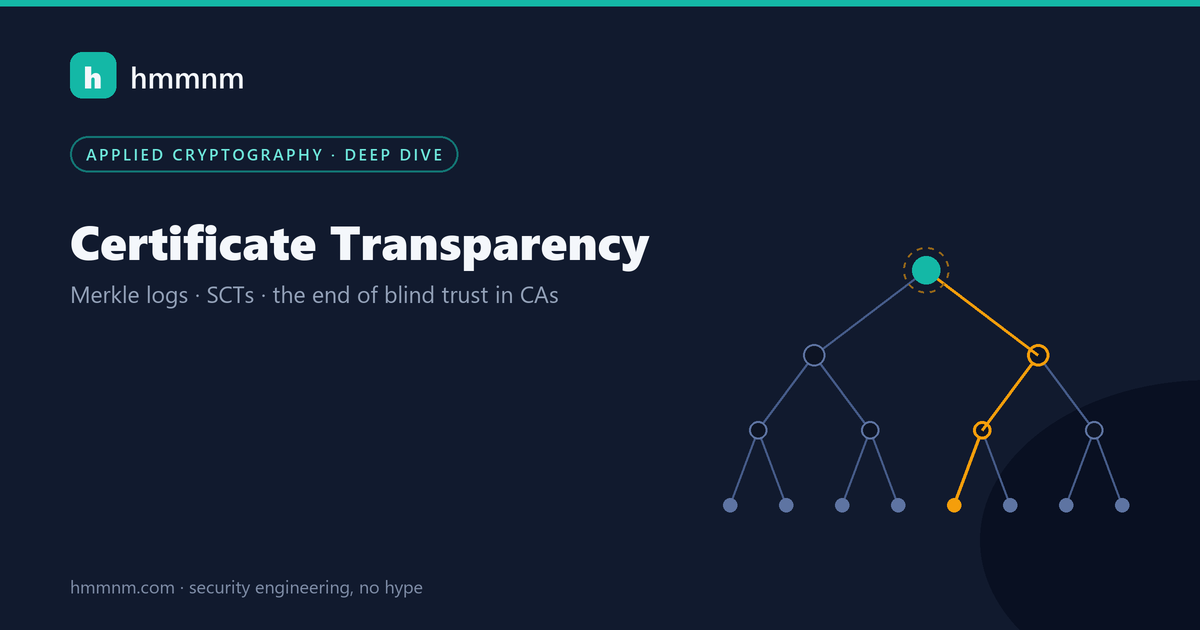
How Certificate Transparency Merkle logs, SCTs and monitors make every TLS certificate publicly auditable — and how they caught Symantec in 2015.
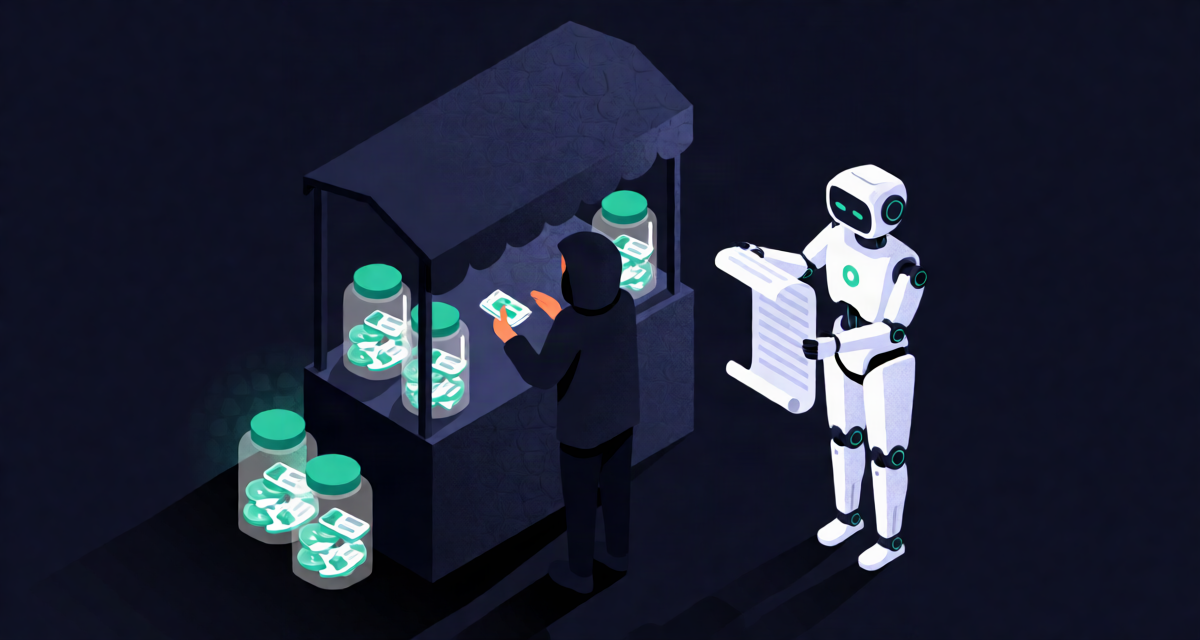
Stealer-log markets, edge-device exploitation and agentic-AI abuse: what defenders must patch, monitor and drill this week.
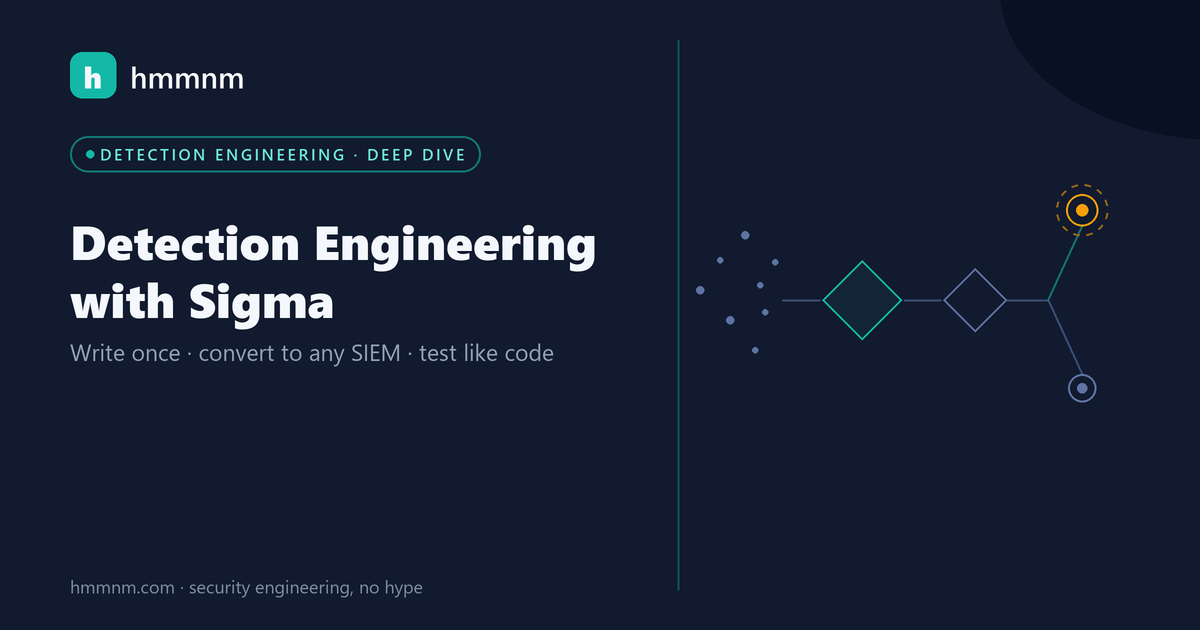
How Sigma turns SIEM detections into portable YAML, how pySigma pipelines compile them to any backend, and how to test rules like code with Atomic Red Team.
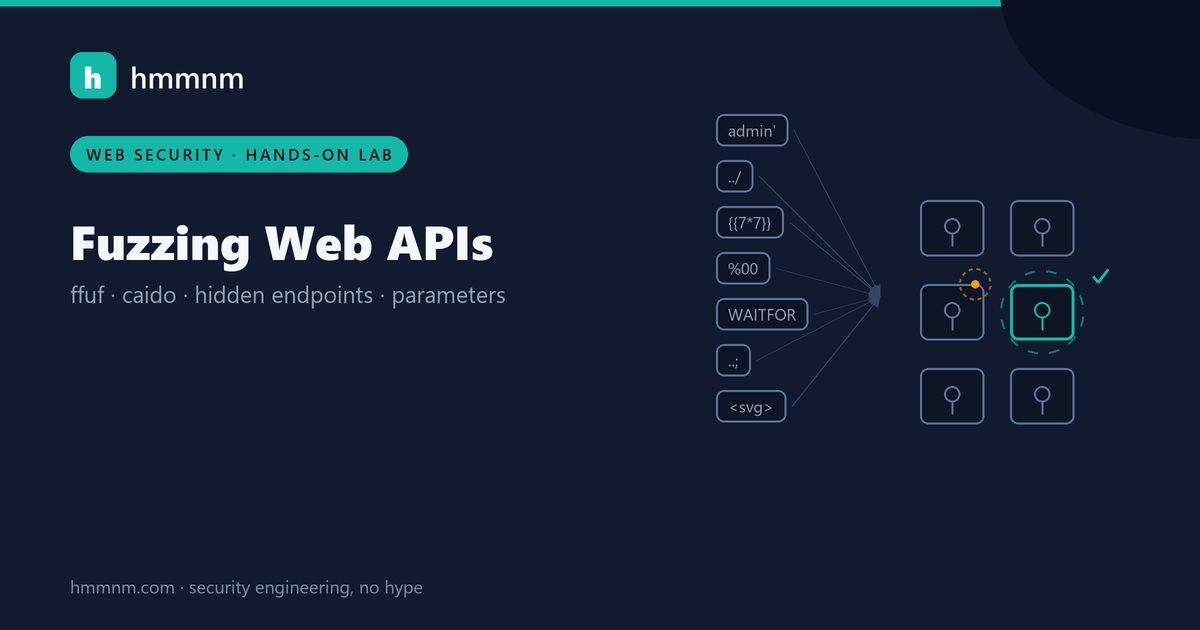
A hands-on recon-to-exploit walkthrough: fuzz hidden endpoints and parameters with ffuf and Caido, chain the findings, and document the impact.
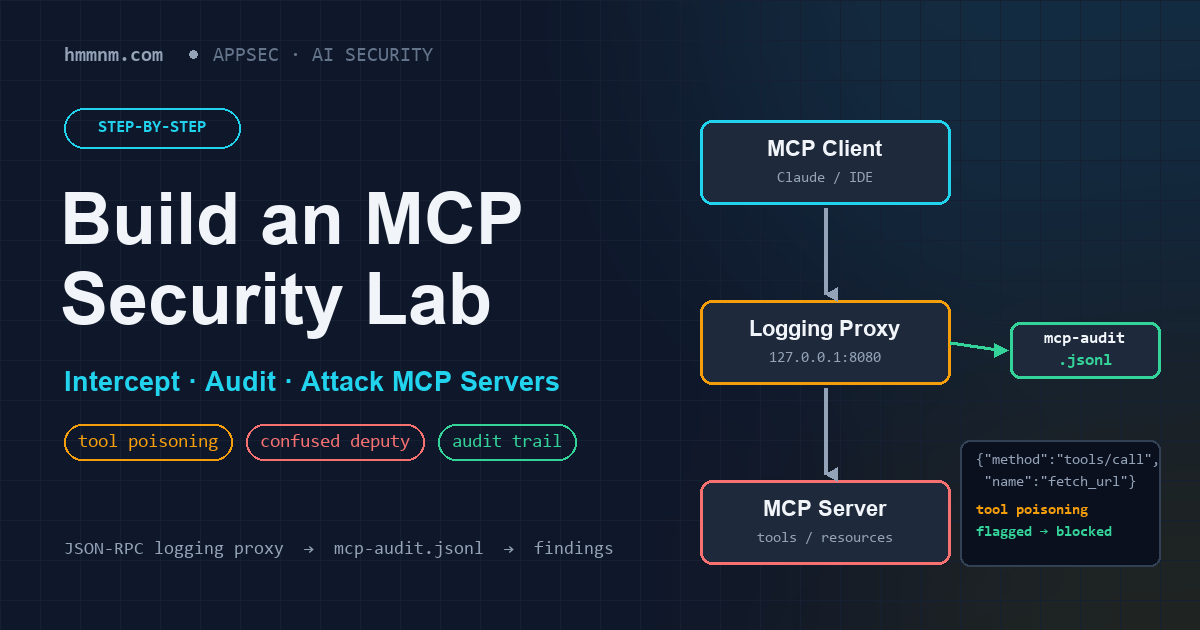
Build a local MCP security lab: intercept, audit and attack Model Context Protocol servers with proxies, rogue tools and logging you fully control.