Identity Is the New Perimeter: How Token Theft and Consent Phishing Defeat MFA in 2026

Deep-dive on why token theft and consent phishing defeat MFA, and how passkeys, phishing-resistant credentials, and conditional access restore a defensible identity perimeter.

Continue ReadingIdentity Is the New Perimeter: How Token Theft and Consent Phishing Defeat MFA in 2026

Set Up an Evilginx-Style Phishing Awareness Lab: Capture and Teach MFA Bypass Tactics Safely

Build a safe, isolated adversary-in-the-middle phishing lab to demonstrate MFA bypass tactics. Step-by-step setup, configs, and blue-team training guidance for security learners and engineers.

Continue ReadingSet Up an Evilginx-Style Phishing Awareness Lab: Capture and Teach MFA Bypass Tactics Safely

Build a Phishing Detection Lab: Analyze Real Headers, Domains and Lookalikes with free MHT and Python

Build a hands-on phishing detection lab using free tools: parse email headers, check domains against Certificate Transparency logs, and score lookalike domains with Python.

Continue ReadingBuild a Phishing Detection Lab: Analyze Real Headers, Domains and Lookalikes with free MHT and Python

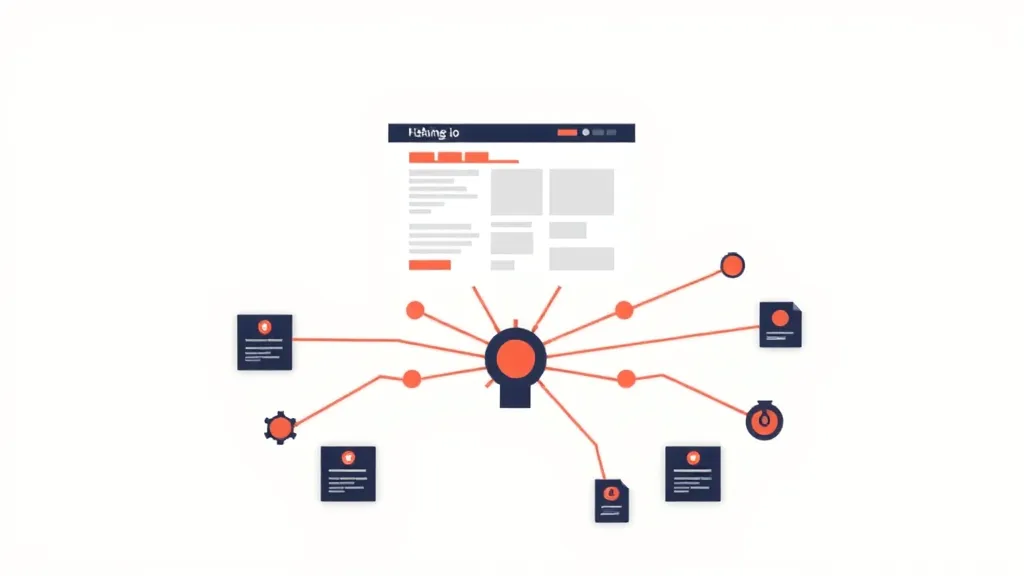
Hunting Phishing Infrastructure with urlscan.io: Pivot from Screenshot to Campaign Takedown

Learn a hands-on urlscan.io OSINT workflow to pivot from a single phishing screenshot to the full campaign footprint using search operators, page.domains, and certificate data.

Continue ReadingHunting Phishing Infrastructure with urlscan.io: Pivot from Screenshot to Campaign Takedown

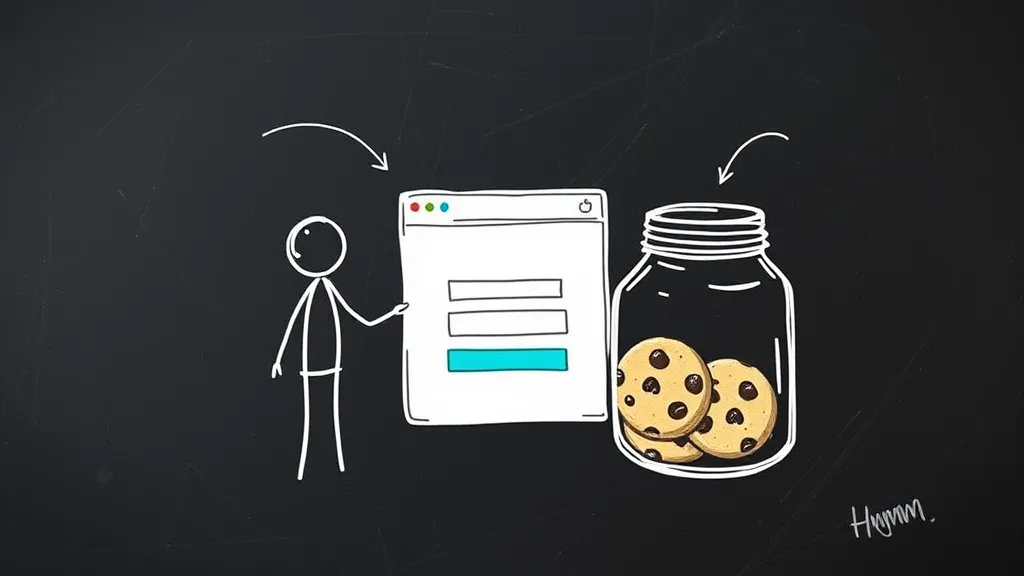
Evilginx3 Lab: Build a Safe AiTM Phishing Lab to Understand Session Cookie Theft (and Why FIDO2 Stops It)

Build a self-hosted Evilginx3 lab to safely study adversary-in-the-middle phishing, session cookie theft, and why FIDO2/WebAuthn defeats AiTM attacks.

Continue ReadingEvilginx3 Lab: Build a Safe AiTM Phishing Lab to Understand Session Cookie Theft (and Why FIDO2 Stops It)

Snowflake-Related Arrests: UNC5537’s Kitchener Pinch

On October 30, 2024, Canadian authorities arrested a 26-year-old Kitchener, Ontario man on a US warrant connecting him to the Snowflake-account intrusions tracked by Mandiant as UNC5537 — the crew behind the Ticketmaster, Santander, and AT&T disclosures that dominated 2024’s data-theft calendar. The arrest, first reported in early November by Bloomberg identifying the suspect as Connor Riley Moucka, illuminated the infostealer-credential-to-cloud kill chain and the market for stolen data. This account reconstructs the campaign, the arrest, and the MFA lessons that outlast it.

Continue ReadingSnowflake-Related Arrests: UNC5537’s Kitchener Pinch

After Soleimani: The January 2020 US-Iran Cyber Alert Wave

Within hours of the 3 January 2020 strike that killed Iranian general Qasem Soleimani, security agencies on both sides of the Atlantic braced for cyber retaliation. On 6 January 2020 a U.S. federal website, the Federal Depository Library Program, was defaced with pro-Iran messaging and an image of a bloodied President Trump, claimed by a group calling itself Iran Silk Hat, while CISA and the FBI renewed warnings about possible Iranian attacks on critical infrastructure. This retrospective maps the verified incidents of that week, separates hype from evidence, and explains why agencies treated the moment as a genuine escalation trigger despite limited actual damage.

Continue ReadingAfter Soleimani: The January 2020 US-Iran Cyber Alert Wave

Clearview AI in 2020: Three Billion Scraped Faces, One Leaked Client List

In late February 2020, facial recognition startup Clearview AI confirmed that a misconfigured server had exposed its entire client list, days after a major newspaper investigation revealed the company had scraped more than three billion facial images from social networks and the open web to sell face search to police. The leaked list showed U.S. retailers, banks, and investors among users of a tool built on photos most people never knowingly gave. Cease-and-desist letters from Facebook and other platforms followed, along with GDPR complaints across Europe. This is how facial recognition’s most aggressive company lost control of its own story in a matter of weeks.

Continue ReadingClearview AI in 2020: Three Billion Scraped Faces, One Leaked Client List

Virgin Media 2020: 900,000 People in an Unsecured Marketing Database

On 28 February 2020, Virgin Media confirmed that a marketing database containing the personal details of around 900,000 people had been left insecure and accessible online, discovered not by criminals but by a researcher during unrelated work. The dataset, stored on an unsecured cloud instance, included names, home and email addresses, and phone numbers, and had been reachable for at least ten months. This post explains exactly what was exposed, how the misconfiguration happened, how Virgin Media responded, and what happened next: a textbook non-hack data breach that still required full disclosure, notification, and regulatory scrutiny.

Continue ReadingVirgin Media 2020: 900,000 People in an Unsecured Marketing Database