Clearview AI in 2020: Three Billion Scraped Faces, One Leaked Client List

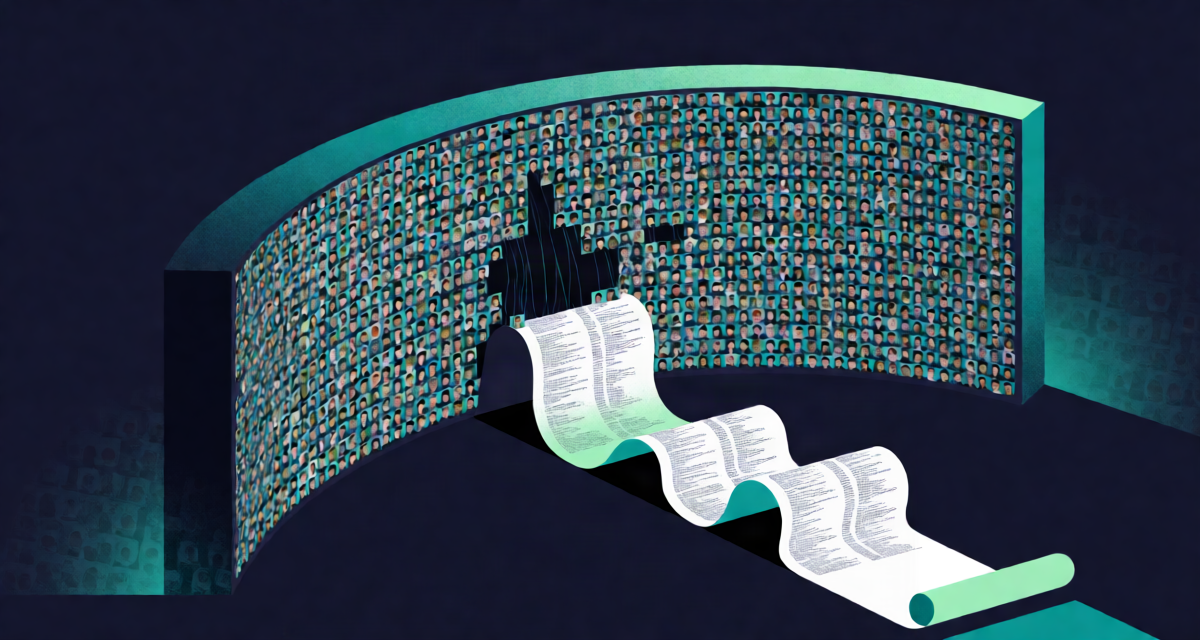
In late February 2020, facial recognition startup Clearview AI confirmed that a misconfigured server had exposed its entire client list, days after a major newspaper investigation revealed the company had scraped more than three billion facial images from social networks and the open web to sell face search to police. The leaked list showed U.S. retailers, banks, and investors among users of a tool built on photos most people never knowingly gave. Cease-and-desist letters from Facebook and other platforms followed, along with GDPR complaints across Europe. This is how facial recognition’s most aggressive company lost control of its own story in a matter of weeks.


Continue ReadingClearview AI in 2020: Three Billion Scraped Faces, One Leaked Client List

Windows Recall: The Privacy Debate Before Launch

Announced May 20, 2024 as a Copilot+ flagship, Windows Recall promised searchable memory of everything on screen — and researchers found the archive in a plaintext SQLite database any user-context malware could read, with a runtime API to match. This account covers Kevin Beaumont’s teardown, the TotalRecall extraction tool, the threat-model fallacies in each Microsoft defense, the June climb-down to opt-in plus Windows Hello and encryption, and the rare process win of an architecture changed before deployment.

Continue ReadingWindows Recall: The Privacy Debate Before Launch

App Tracking Transparency: Apple’s Consent Earthquake, Five Years On

ATT turned iOS advertising identifiers opt-in overnight, denial rates hit 80%+, and Meta booked a $10B impact. How one consent dialog restructured an ad economy — and pushed tracking into fingerprinting’s arms.

Continue ReadingApp Tracking Transparency: Apple’s Consent Earthquake, Five Years On